




Trousers for Practical Grounds Work in Changing Conditions
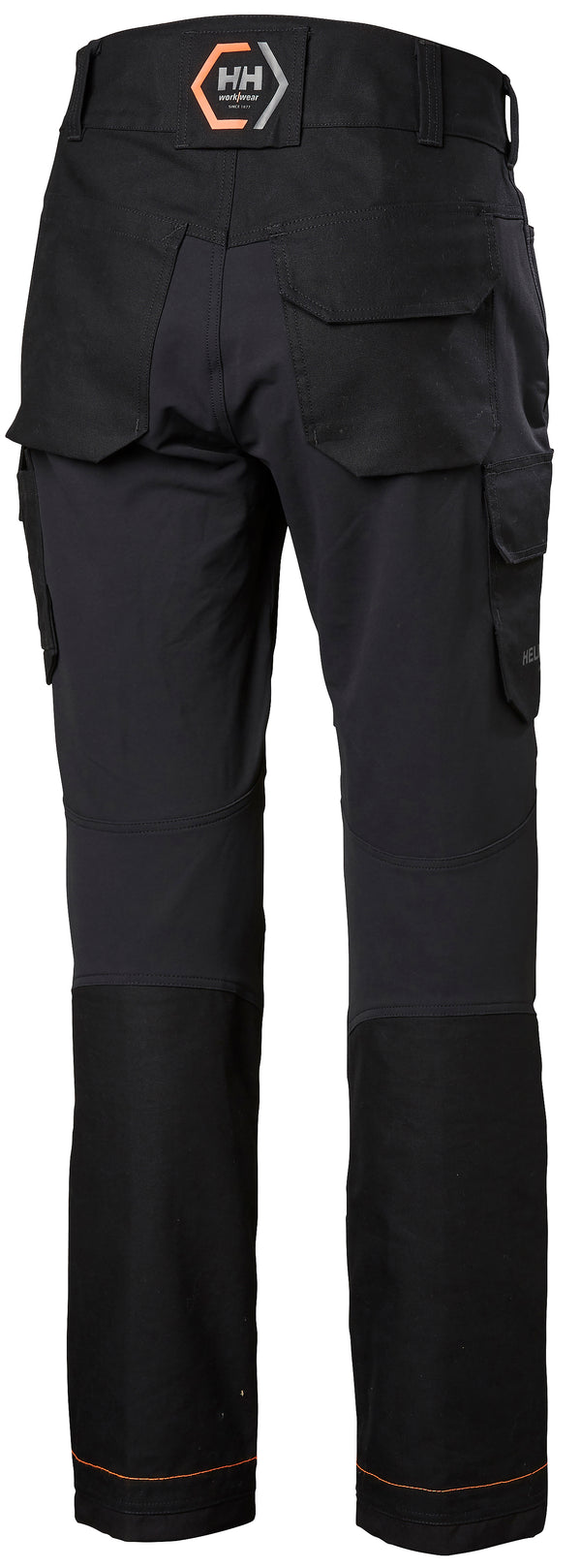
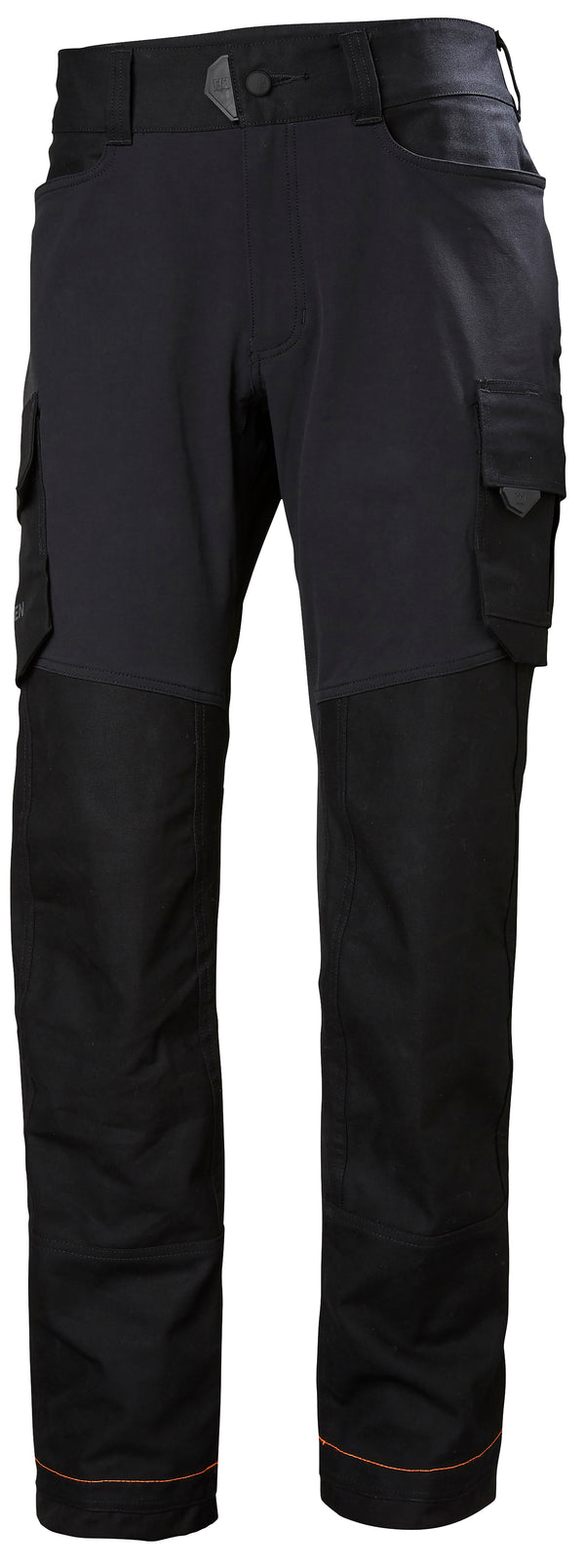
Trousers are one of the hardest-working parts of any grounds team’s kit. On sports pitches, golf courses, school sites, estates and wider amenity areas, the working day puts a lot of strain on lower-body clothing. Groundstaff are walking long distances, kneeling for repairs, climbing on and off machinery, bending for setup work and dealing with wet turf, muddy paths and rough surfaces. Good work trousers help staff stay comfortable, mobile and better protected while getting through those jobs to a professional standard.
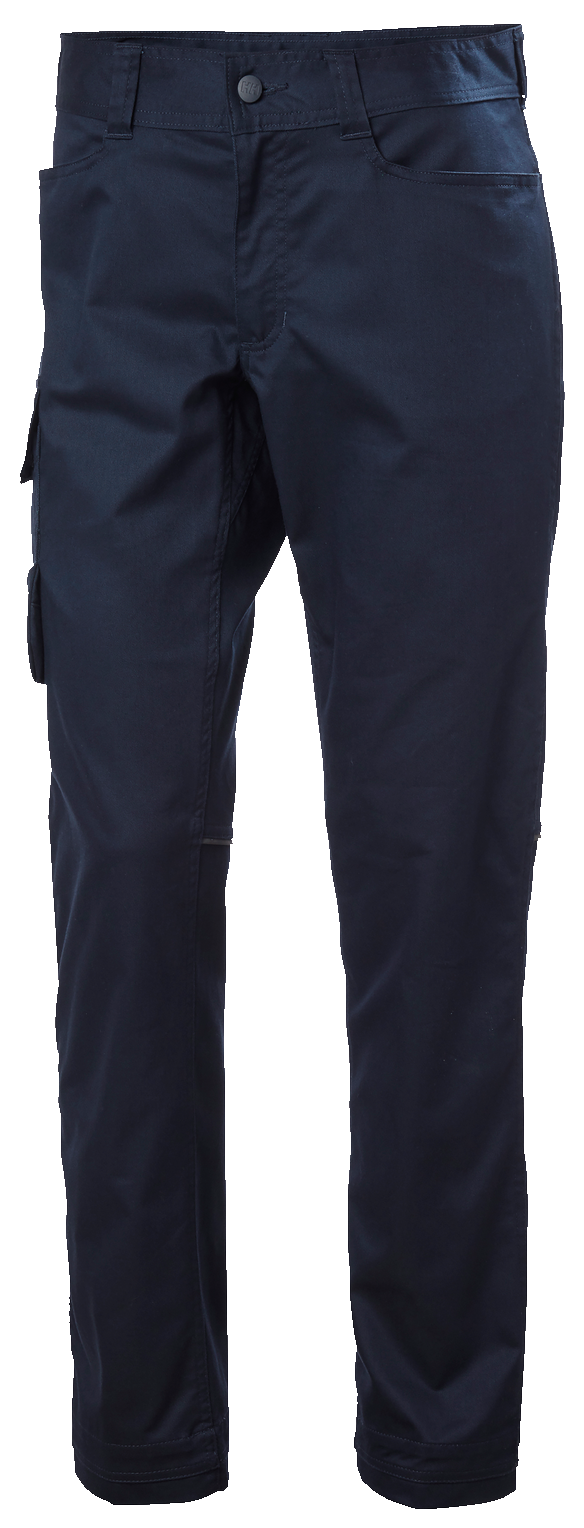
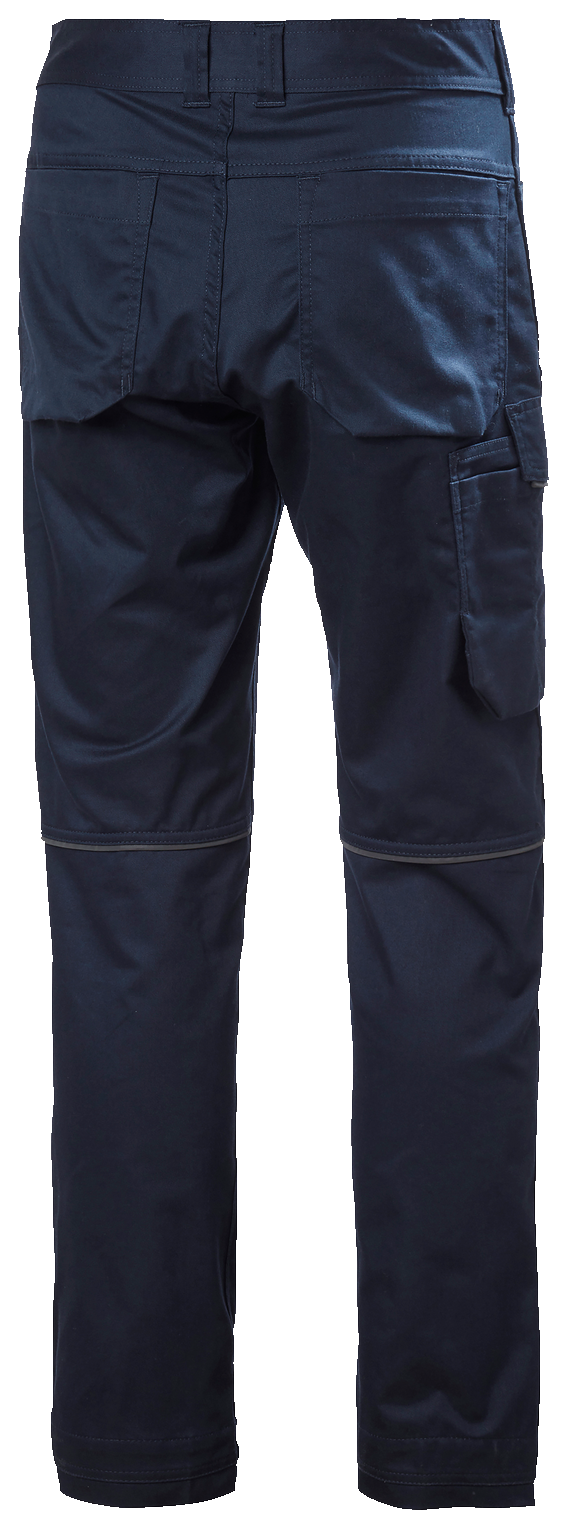
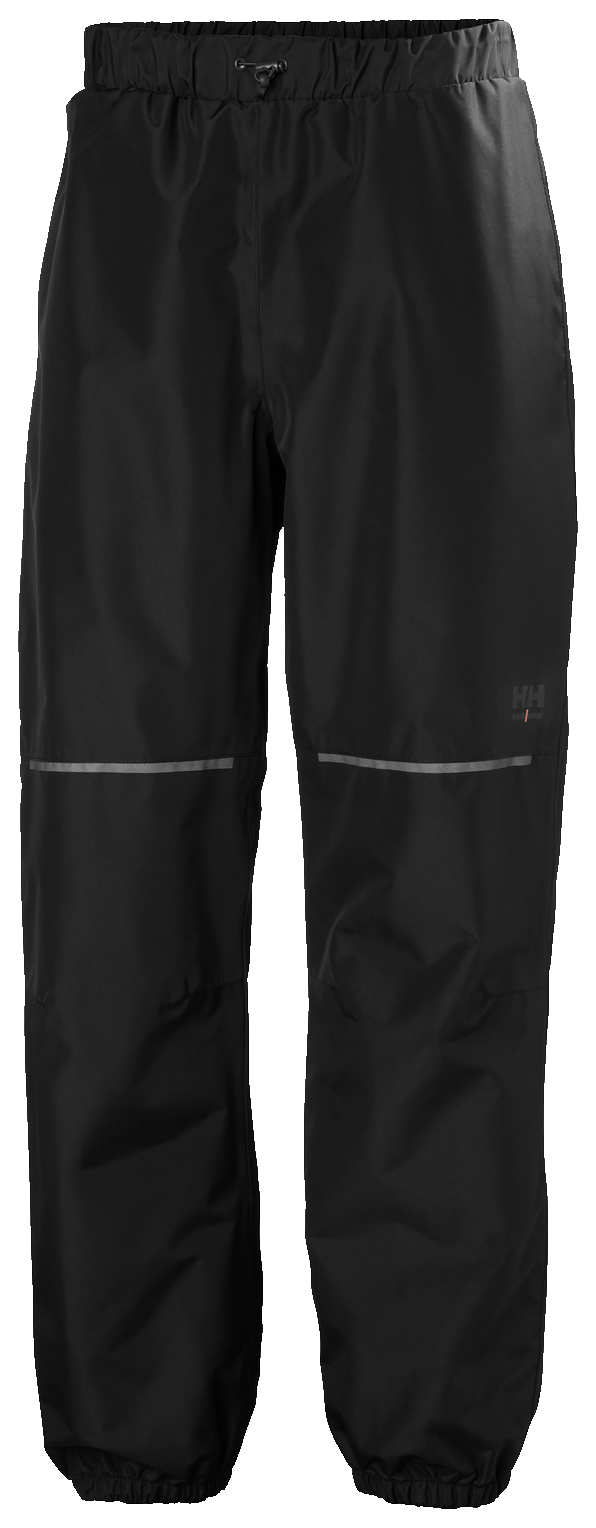
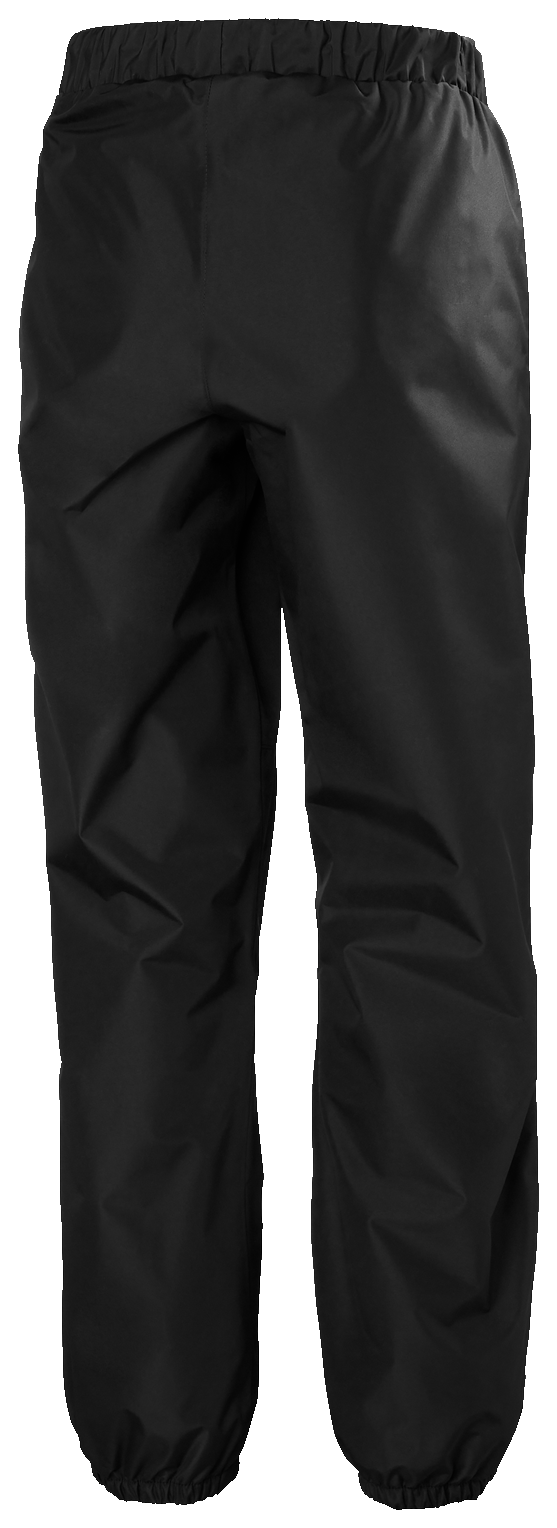
Across turfcare and grounds maintenance, the right trousers do far more than cover the basics. They support movement, help deal with poor weather and stand up to repeated wear in a way that lighter everyday clothing simply cannot. Reinforced panels, practical pockets, weather-resistant finishes, stretch sections and durable seams all make a difference once the pace of work picks up. On busy sites, those details matter because discomfort or poor fit soon slows jobs down and makes the day harder than it needs to be.
From a practical point of view, trousers sit within the wider maintenance programme rather than outside it. A groundsperson may move from mowing and brushing to repairs, line marking, hand work, machine checks and store visits in the same shift. Clothing needs to cope with all of that. If trousers are restrictive, too light for the conditions or prone to wearing through too quickly, the whole working routine becomes less efficient. Reliable legwear helps staff stay focused on the task rather than the weather or the fit of the garment.
Why good work trousers matter on sports and amenity sites
Comfort and movement are a bigger part of performance than many people expect. Grounds staff rarely stay still for long. They push equipment, lift bags, walk behind machinery, kneel into worn areas and move across slippery or uneven surfaces all day. Trousers that allow free movement without sagging, snagging or riding up make that work easier. Equally, fabrics that can cope with damp grass, mud splashes and repeated washing help the garment stay useful through a full season rather than looking tired after a few weeks.
Durability is especially important in this category. Turf work is hard on knees, hems, pockets and seat panels. Constant kneeling for repairs, stepping over frames, brushing against machines and working in wet conditions soon exposes weak stitching or poor material choices. The best work trousers for grounds teams tend to balance hardwearing construction with enough flexibility for active jobs. That gives staff something dependable to wear through setup work, recovery work and general maintenance without feeling overbuilt or cumbersome.
Presentation also has a part to play. Grounds teams are often in view of players, coaches, members, parents and spectators. Clean, practical trousers help staff look organised and ready for work. That visual standard supports the wider impression of the venue and the professionalism of the team maintaining it, especially on sites where presentation matters every day.
Choosing trousers for turfcare and grounds maintenance
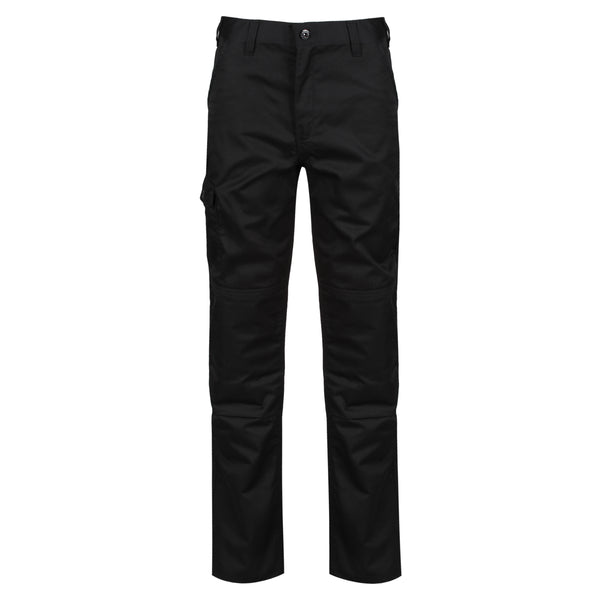
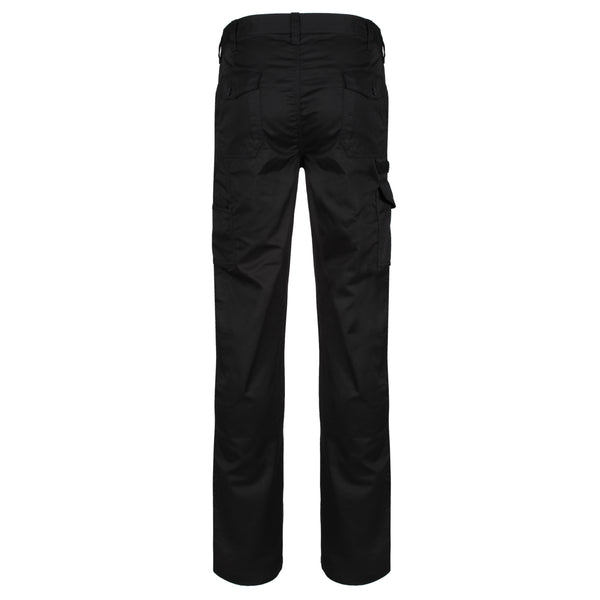
When selecting trousers, start with the sort of jobs staff carry out most often. Lightweight work trousers may suit warmer periods, active setup work and long days moving across large sites. Heavier-duty options with reinforced knees and stronger fabrics may be more suitable for winter repairs, machinery work and physically demanding maintenance. Stretch panels can help with comfort and movement; water-resistant finishes can be useful where mornings are regularly wet and the site does not dry quickly.
Pocket layout is another practical consideration. Grounds teams often need access to gloves, markers, small tools, phones, notebooks or fixings without constantly walking back to a vehicle or store. Trousers with sensible cargo pockets or secure fastenings can make the working day easier, provided they do not become bulky or awkward during movement. Fit matters just as much. Clothing that is too loose can snag and feel untidy; clothing that is too tight makes bending, kneeling and lifting more difficult than it should be.
Layering and compatibility are worth thinking about as well. Trousers often sit as part of a broader clothing system, particularly in changeable weather. On exposed sites, they may be worn alongside Workwear Outdoor Clothing and weatherproof outer layers from Jackets Coats. Where tasks bring added risk, day-to-day clothing may also be paired with Personal Protective Equipment to support safer handling and better site practice.
Seasonal use through the grounds calendar
Trousers are relevant all year, but the balance between weight, weather protection and breathability shifts with the season. In autumn and winter, heavier or more weather-resistant trousers tend to be more useful because staff are dealing with wet surfaces, cold winds and muddy conditions. In spring, adaptable options still matter as mornings stay cool and showers remain common. Through summer, lighter fabrics and better breathability often come into their own, especially on exposed sports sites and golf courses where long days outdoors can make heavier garments uncomfortable.
That seasonal flexibility helps teams stay productive when conditions are mixed. A football pitch still needs tidying after rain. A golf course still needs setting up at first light. A school site still needs to be ready for use after a damp overnight forecast. Practical trousers support those jobs by keeping staff more comfortable and reducing the drag that poor clothing can place on the working day.
How trousers fit into a wider maintenance programme
On a well-run site, clothing supports the same kind of joined-up routine as the rest of the maintenance plan. Staff may begin with inspection work, move into presentation and repairs, then finish with setup, storage or end-of-day checks. That can include recovery work using Grass Seed, local level correction with Loam and Dressing or final preparation using Line Marking Paint. Trousers that remain comfortable and durable through those shifts help staff maintain a better standard from the first job to the last.
Moisture-related work is another obvious connection. Staff checking valves, hoses and wet access points may be working around Irrigation and Water Management systems where damp ground and kneeling are common. On sites where workshop, shed or storage tasks involve liquids and containers, sensible day-to-day routines may also include nearby Spill Kits so the area stays safer and easier to manage if something is knocked or split.
That is where experienced grounds teams usually get the basics right. They do not treat trousers as a minor clothing choice. They see them as part of the working setup: the right fit, the right durability and the right weather balance for the jobs ahead. That practical thinking keeps staff more comfortable, helps maintain productivity and supports better standards across the whole site.


Recently viewed