
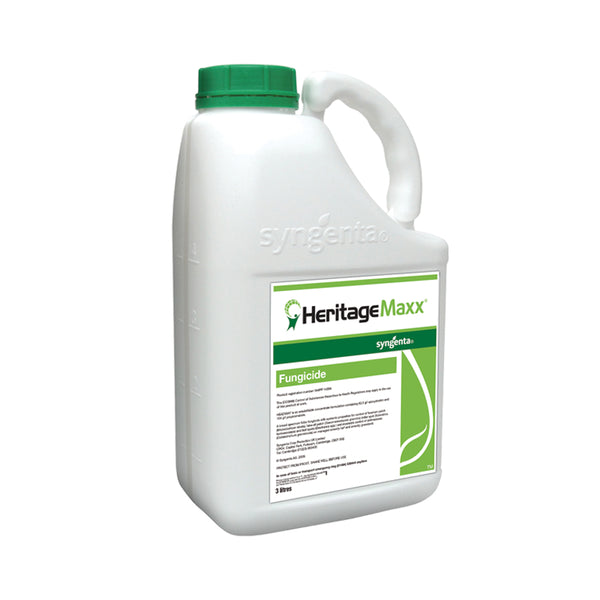
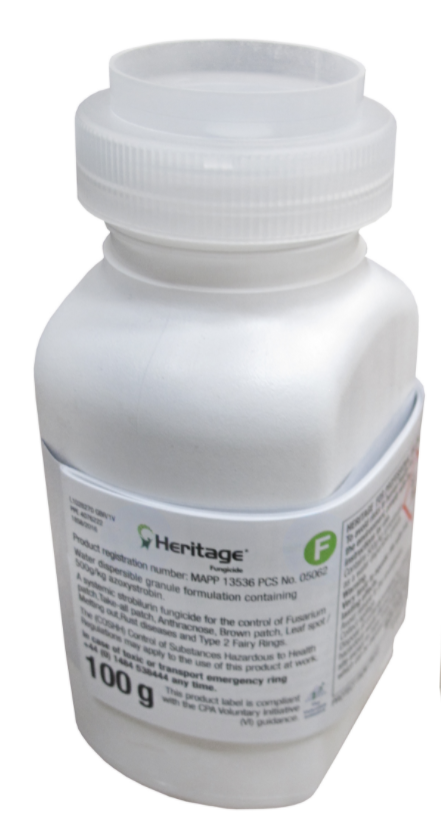
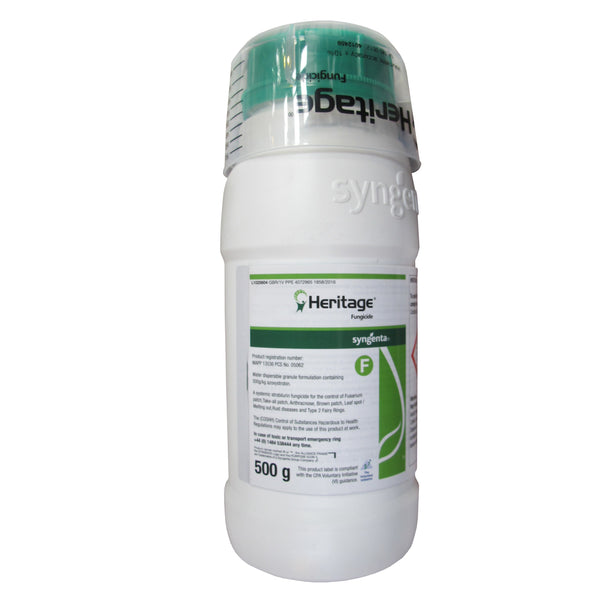
Fairy Ring Control for healthier, more consistent and better performing turf
Fairy Ring Control is an important part of managing one of the more frustrating turf disorders found on fine turf, sports surfaces and high-quality managed grass. Fairy ring can affect presentation, surface uniformity and turf performance by creating visible rings, patches of altered growth and areas that can become dry, hydrophobic or difficult to manage. On golf greens, tees, fairways, sports pitches and ornamental turf, that makes fairy ring more than a cosmetic issue. It can disrupt playing quality, interfere with moisture movement and leave the sward performing unevenly through the season.
In practical turfcare terms, fairy ring is rarely just about the visible ring itself. It is usually linked with organic matter, fungal activity in the profile and changes in how water moves through the rootzone. That is why Fairy Ring Control works best when it forms part of a wider agronomic programme rather than being treated as a one-off response to symptoms. For users comparing related disease-management categories, it is also useful to explore Turf Disease Control, alongside Microdochium Control, Anthracnose Control, Dollar Spot Control and Take-All Patch Control.
Why fairy ring develops in managed turf
Fairy ring tends to become a problem where fungal activity in the soil profile affects the way the turf grows and the way water moves through the surface. In some cases, the most obvious sign is a ring of darker or faster-growing grass. In others, the greater issue is localised dry patch, stress and inconsistent turf response caused by water-repellent zones in the rootzone. That is one reason fairy ring can be so disruptive on fine turf. Even where the disease is not causing severe visible scarring, it can still create inconsistent playing quality and make moisture management much harder.
This is why Fairy Ring Control is closely tied to wider rootzone management rather than just disease suppression. Products from Wetting Agents are often highly relevant where moisture movement and localised dry patch are part of the problem. Broader support from Plant & Soil Health and Seaweed & Biostimulants can also fit naturally into a more complete resilience-led programme.
How Fairy Ring Control fits into a wider turfcare programme
The strongest fairy ring strategies are built around integrated turf management. We need to think about the full picture: moisture distribution, rootzone condition, organic matter, plant stress and the wider performance of the surface. If the turf is already under pressure, fairy ring symptoms can become more visible and more disruptive. That is why experienced turf managers look beyond the ring itself and assess what is happening in the profile beneath it.
In practice, that often means combining disease-control products with a stronger programme around soil and plant support. Nutritional input from Fertiliser may help the turf maintain more consistent recovery, while Wetting Agents can support better moisture penetration and more even rewetting of affected areas. Supportive inputs from Seaweed & Biostimulants and Plant & Soil Health can also help build a stronger, less reactive surface over time.
Professional insight: fairy ring is often as much a water-management issue as a disease issue
One of the biggest mistakes with fairy ring is treating it like a straightforward foliar disease. In reality, the real damage often comes from what is happening in the rootzone. If parts of the surface are becoming hydrophobic and resisting water movement, the turf can suffer from drought stress even when irrigation has been applied. That leaves the grass weaker, less consistent and slower to recover. In that situation, simply targeting the fungal activity without improving the way water moves through the profile may not give the result you want.
That is why the better fairy ring programmes usually combine direct control with smart moisture management. We are not just trying to reduce a visible ring. We are trying to restore more even growing conditions across the surface so the turf performs consistently again. On fine turf, that joined-up thinking makes a real difference.
Seasonal timing and practical management
Seasonality matters with Fairy Ring Control because symptoms often become most obvious during periods of stress, especially when the turf is drying unevenly or entering higher-pressure parts of the playing season. Spring may reveal areas that have carried underlying profile issues through the winter, while summer often brings the moisture-related symptoms into sharper focus. On golf surfaces and fine sports turf, that can quickly affect both visual quality and playability.
That makes timing important. A planned approach usually works better than reacting once symptoms are severe. Monitoring moisture behaviour, assessing affected areas early and supporting the turf before stress becomes too intense can all help reduce the impact. Where wider disease pressure also needs to be considered across the site, it makes sense to compare Fairy Ring Control with other categories inside Turf Disease Control, especially on intensively managed surfaces where multiple risks may overlap during the year.
Application quality and supporting equipment
As with any professional turf treatment, application quality matters. Coverage, timing, water volume and consistency all influence performance, particularly where products are being applied to fine turf or targeted problem areas. Suitable support from Knapsacks, Sprayers & Equipment and broader practical options within Equipment can help improve accuracy and make treatment work more consistent across the site.
Safe handling is equally important where disease-control products and supporting inputs form part of the regular programme. Storage, mixing and application all need proper attention, which is why PPE & Safety also fits naturally into the wider workflow for professional turf disease management.
Part of a more resilient long-term turf strategy
Used thoughtfully, Fairy Ring Control helps protect surface quality, improve consistency and reduce the disruptive effects of one of the more awkward turf disorders. It works best when combined with wider planning through Turf Disease Control, moisture support from Wetting Agents, nutritional backing from Fertiliser and broader resilience support from Plant & Soil Health.
That broader approach is what turns simple symptom management into better long-term surface performance. By reducing stress, improving moisture behaviour and helping the grass recover more evenly, Fairy Ring Control becomes an important part of maintaining stronger, cleaner and more dependable fine turf.


Recently viewed