










Why autumn fertiliser matters on sports turf
Autumn fertiliser is one of the key building blocks of late-season turfcare. As soil temperature falls and surfaces stay wetter for longer, the job changes. We are no longer pushing lush top growth. We are trying to hold colour, support rooting, improve firmness and help the sward cope with wear, dew, shade and fixture pressure. That is why so many autumn feeds are built around sensible nitrogen, useful potassium and, in many cases, iron or magnesium. Pitchcare’s collection description also highlights high potassium, iron-rich and slow-release options for this time of year.
For football pitches, rugby surfaces, cricket outfields, golf areas and quality lawns, that balance is important. Too much nitrogen can create soft, weak growth that is harder to manage. Too little nutrition leaves turf thin, pale and slow to recover. A well-chosen autumn grass fertiliser helps bridge that gap. It supports grass health, steadier recovery and better presentation quality without driving the kind of surge that can leave surfaces vulnerable later in the season.
What to look for in an autumn grass fertiliser
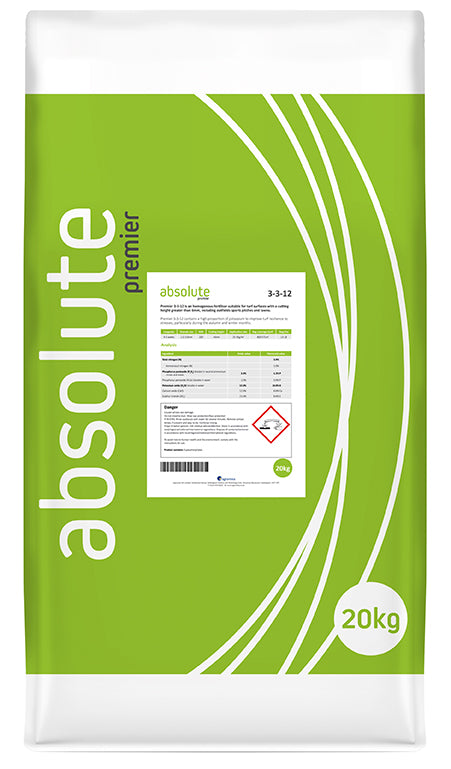
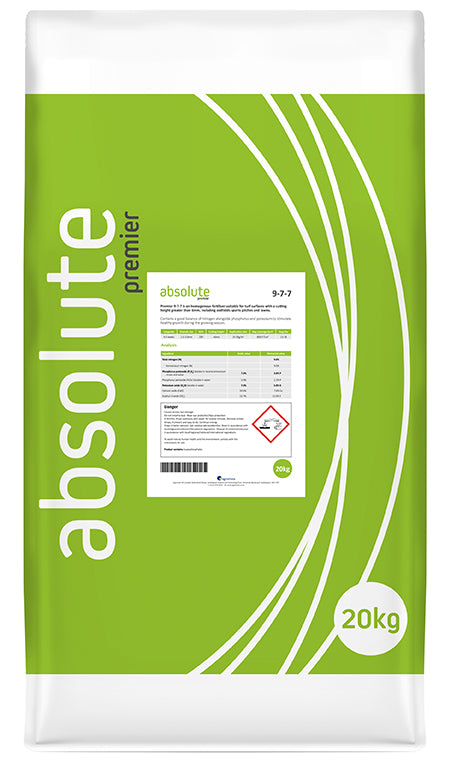
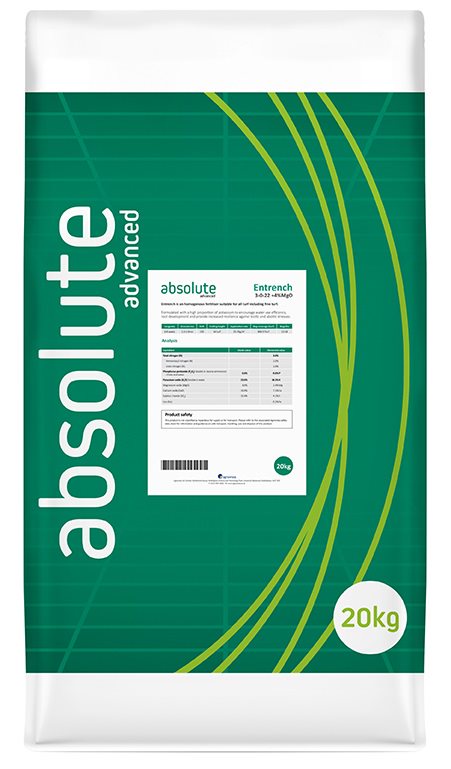
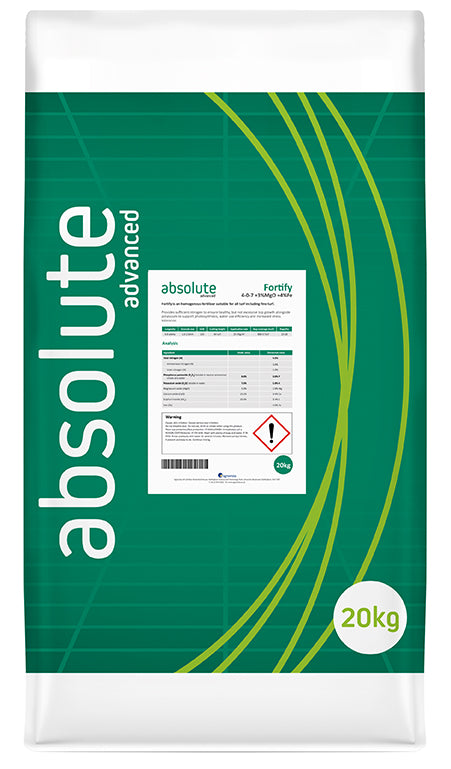
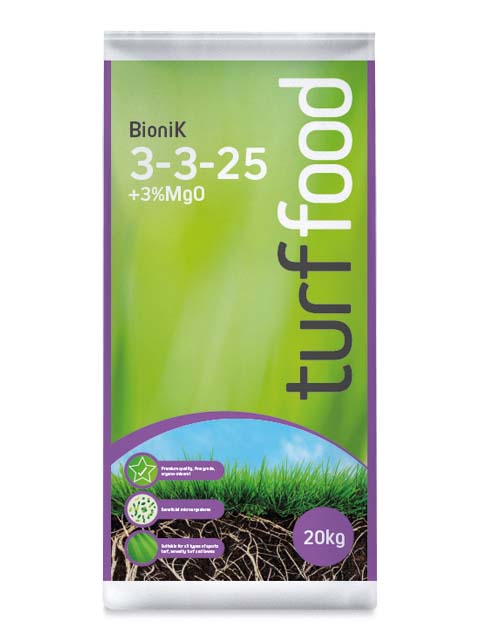
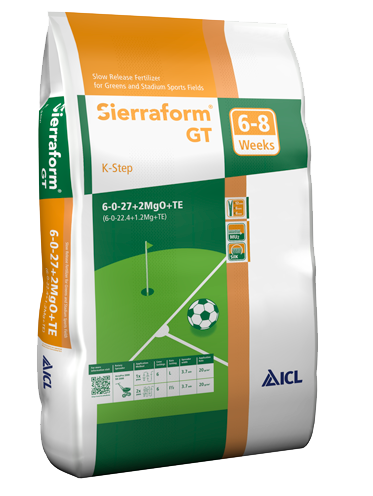
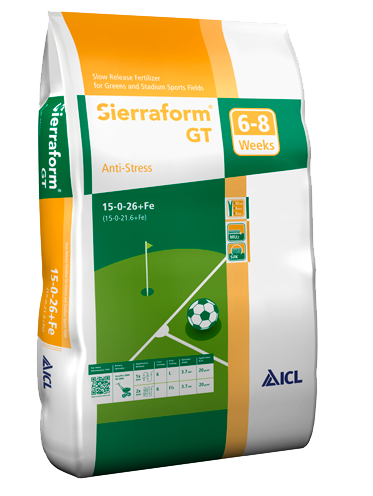
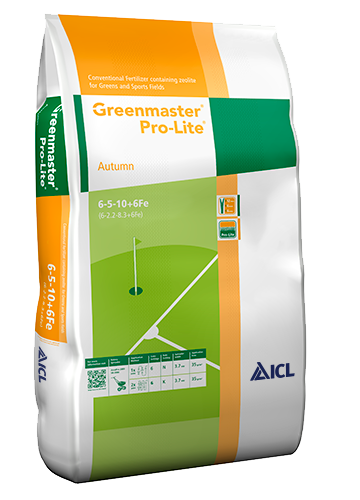
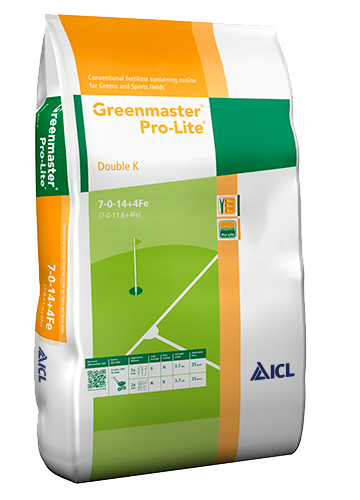
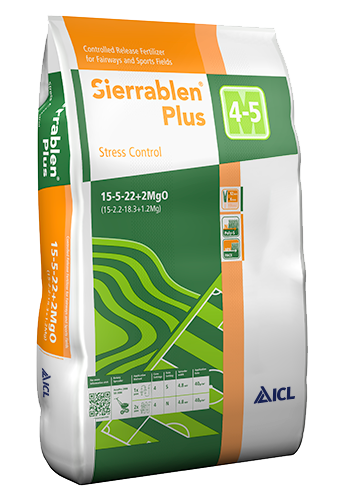
Most professional products in this category are designed to strengthen turf rather than force leaf. You will often see lower-nitrogen analyses with higher potassium, sometimes supported by iron, magnesium or calcium. On the current Pitchcare range, examples include 3-3-12, 3-0-6 + iron, 3-0-22 + magnesium oxide and 3-3-25, which gives a good feel for the type of formulation used at this stage of the year. Potassium supports stress tolerance; iron helps colour and visual sharpness; magnesium supports chlorophyll production.
Formulation matters too. Granular turf fertiliser is often the first choice for larger areas because it spreads efficiently and suits routine programme work. Liquid turf fertiliser offers flexibility where you want lighter, more frequent inputs or a quicker visual response. If you want nutrition to trickle on more steadily, slow release fertiliser can help reduce peaks and troughs in growth. Where the brief is specifically low input and better winter conditioning, products from low nitrogen fertiliser, NK fertiliser and fertiliser with iron ranges are often the best fit.
Professional use across different surfaces
On natural turf pitches, autumn nutrition is usually timed around play. We want enough nutrient in the plant to aid recovery after matches and training, but not so much that growth gets away from us before the next fixture. On cricket outfields and general amenity turf, the focus is often steady density, a clean sward and reliable wear tolerance. On finer turf, the priority may be colour, firmness and clipping control. In all cases, spread pattern, calibration, application rate and weather conditions are every bit as important as the analysis on the bag.
A sports turf autumn fertiliser also needs to suit the profile underneath it. Free-draining sand-based constructions can lose nutrient more quickly, so release pattern and timing become more important. Heavier soils may hold nutrient longer, but they can stay wetter and cooler, which changes plant response. That is why we always look at the full picture: root depth, disease history, expected traffic, dew retention and recovery potential; not just the headline NPK.
Using autumn feed within an integrated programme
The best results come when feeding sits inside a wider grounds management programme. After summer wear or early autumn renovation, many sites will aerate, overseed, feed and then manage moisture carefully to encourage establishment and recovery. A professional autumn lawn fertiliser or autumn turf fertiliser fits neatly into that workflow because it supports plant strength without pushing rank growth. It also links well with surface renovation, wear recovery and the broader goal of keeping swards consistent as the weather turns.
Support products can sharpen decision-making. Soil testing helps you check pH, nutrient status and soil nutrient balance before you commit to a programme. Seaweed and biostimulants can complement nutrition where roots or plant response need a lift, while wetting agents may help improve water movement and moisture uniformity on difficult profiles. That joined-up thinking is what usually separates average autumn performance from a surface that carries quality deeper into the season.
Seasonal timing from early autumn into winter
Early autumn is normally the main window for an autumn fertiliser application because soil temperatures still allow uptake and recovery. This is the point where a surface can repair summer stress, respond after overseeding and start preparing for shorter days. Through mid-autumn, many groundspersons lean further towards lower nitrogen and higher potassium to maintain colour and firmness while keeping growth manageable. By late autumn and early winter, the focus is usually on holding turf health, supporting plant strength and avoiding a flush of soft leaf during colder, wetter spells.
This is also where practical site management matters. If you are applying to a large area, accurate spread width and calibration are essential, so reliable seed and fertiliser spreaders make a real difference. Where rainfall is inconsistent, or renovated ground needs help, the right irrigation equipment supports even establishment. If matches continue right through the feeding window, presentation still counts, and line marking paint remains part of the same maintenance rhythm. On sites carrying out heavier recovery work, a measured feed can also sit alongside top dressing materials to improve surface stability and seed-to-soil contact.
Choosing the right product for the job
Start with the question every turf manager asks: what does the surface need to do over the next few weeks? If it needs to recover from play, hold colour and stay tight through wet weather, this category is the right place to look. Choose by formulation, analysis, release pattern and suitability for the surface in front of you. Whether you need a granular autumn grass fertiliser for broad-acre coverage, a sports turf autumn fertiliser with iron for stronger colour, or an autumn lawn fertiliser that keeps growth tidy before winter, the aim stays the same: stronger, steadier turf when conditions become more testing.


Recently viewed