
Take-All Patch Control for stronger, more resilient fine turf
Take-All Patch Control is an important part of managing one of the more complex disease problems seen on fine turf. It is most often associated with golf greens, tees and other closely managed surfaces where root health, sward density and consistency matter every day. When take-all patch becomes active, the turf can lose vigour, thin out and develop pale or patchy areas that struggle to recover. In practical terms, that means take-all patch control is not simply about reacting to visible symptoms. It is about understanding why the turf has become vulnerable and then building a programme that supports root function, plant health and surface resilience over time.
On managed fine turf, take-all patch is rarely a simple disease event. It is often linked with rootzone conditions, plant stress and periods when the grass is already under pressure from close mowing, low organic matter, nutritional imbalance or seasonal strain. The disease is particularly relevant on finer bent and fescue surfaces where performance expectations are high and even small patches of decline can affect presentation quality, ball roll and overall confidence in the surface. That is why Take-All Patch Control needs to sit within a wider grounds management programme rather than being treated as a single-product answer. For users comparing the wider disease category, it also helps to explore Turf Disease Control, as well as related collections such as Microdochium Control and Anthracnose Control.
Why take-all patch develops
Take-all patch is closely tied to the condition of the rootzone and the strength of the plant. We often see higher risk where roots are under stress, where nutrient availability is less balanced than it should be, or where the profile is not supporting steady, active growth. Sand-based constructions, alkaline conditions, limited microbial balance, shallow rooting and seasonal stress can all contribute. Once the plant starts to lose root efficiency, the turf often shows it through weaker colour, slower recovery and thinning patches that do not respond as well as the surrounding sward.
That is why Take-All Patch Control has to be approached with some care. We are not only looking at the leaf. We are looking deeper at root health, organic matter, moisture movement, pH influence and the wider growing environment. In many cases, the most effective programme is one that combines disease management with stronger nutritional planning, better moisture control and support for the plant through periods of stress. That is where related ranges such as Fertiliser, Seaweed & Biostimulants, Wetting Agents and Plant & Soil Health can all support a more complete fine turf programme.
How Take-All Patch Control fits into a wider turfcare programme
The strongest take-all patch programmes are built around integrated turf management. We need to think about the full system: rootzone performance, water movement, plant nutrition, microbial activity, mowing pressure and seasonal recovery. If the turf is being pushed hard but the profile is not giving the plant what it needs, take-all patch can become much harder to contain. That is why experienced turf managers rarely view the disease in isolation. They look at the whole surface and ask what is weakening the grass in the first place.
In practice, that often means reviewing nitrogen source, available manganese, soil and rootzone reaction, moisture consistency and the balance between firmness and plant stress. It may also mean adjusting the programme around renovation timing, topdressing frequency and surface preparation so the plant is not being left vulnerable through peak pressure periods. On golf surfaces especially, Take-All Patch Control is often less about a quick cure and more about building conditions that allow the turf to recover and hold on more effectively. Products from Wetting Agents may help where moisture uniformity is inconsistent, while support from Seaweed & Biostimulants and Plant & Soil Health can fit naturally into resilience-led programmes.
Professional insight: rootzone thinking matters
One of the biggest mistakes with take-all patch is to treat it like a purely foliar disease. It is not. The visible patch is only the top-side expression of a bigger rootzone problem. If the grass is losing root strength, running short of key nutrients or sitting in a profile that is too dry in places and unstable in others, the symptoms will keep returning in some form. That is why the better operators focus on the whole agronomic picture. We look at pH, root mass, rooting depth, nutrient balance, moisture patterns and plant response to previous inputs, not just the patch itself.
This is where good groundsmanship separates itself from generic disease advice. On a fine turf surface, every decision interacts with the next one. If you push presentation hard, you also need recovery capacity. If you want firmness, you still need functional root activity. If you want the sward to grow through patching, you need the right level of nutrition and a stable rootzone environment. Take-All Patch Control is strongest when it reflects that joined-up thinking, often linking disease planning back to Turf Disease Control and plant support strategies built around Fertiliser and Plant & Soil Health.
Seasonal use and timing
Seasonality matters with Take-All Patch Control because the disease is often most obvious when the turf is under stress and the root system is not coping well enough. Spring can be a key period because weakened areas show up as the surface tries to come back into active growth. Early summer can also expose affected turf, particularly on fine surfaces that are already under presentation pressure. Through the main playing season, the focus is often on supporting the plant, limiting stress and maintaining consistency rather than expecting a quick visual fix.
Autumn is often an important period for programme planning. This is when many turf managers look closely at nutritional balance, rootzone condition and recovery work so the surface goes into winter in better shape. Winter itself can be quieter from a symptom point of view on some sites, but it is still a useful time to review data, assess pH trends, monitor affected areas and prepare the following season’s strategy. In other words: Take-All Patch Control is not a single seasonal treatment window; it is a year-round management issue with seasonal peaks in visibility and stress.
Choosing suitable products and programme support
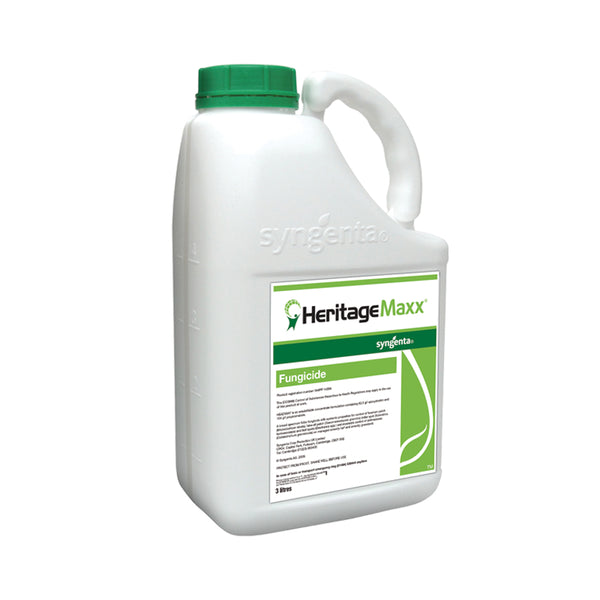
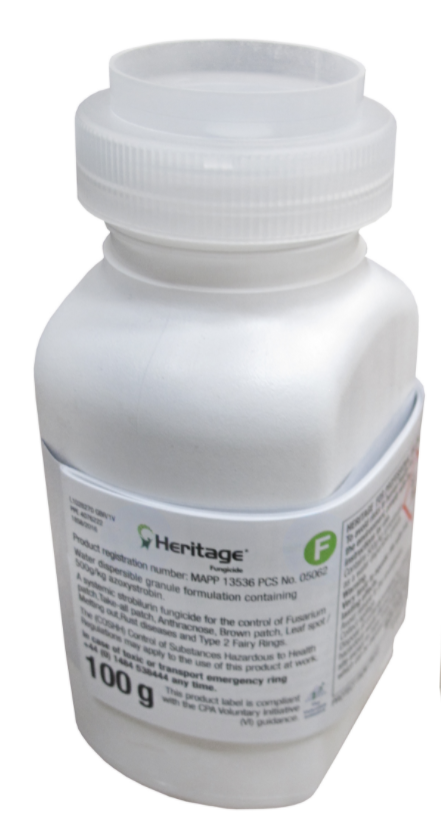
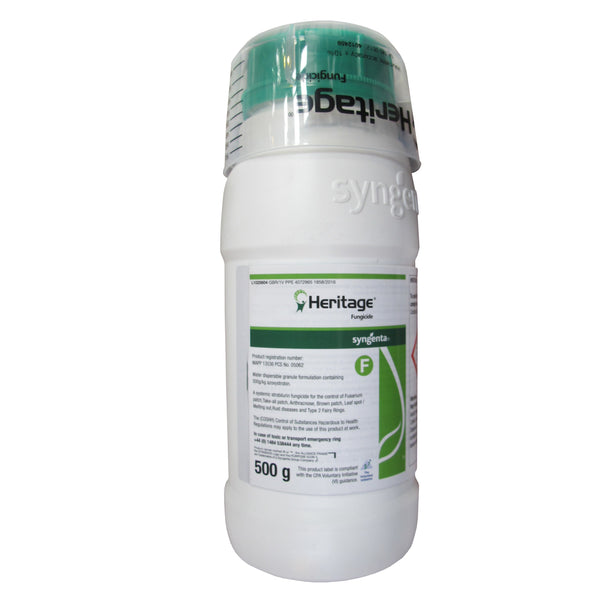
When choosing products for Take-All Patch Control, it helps to think beyond simple disease suppression. Fungicide choice can matter, but so do the supporting inputs around it. Wetting agents, biostimulants, carefully selected fertilisers, trace elements and rootzone conditioners may all have a place depending on the surface and the programme. What matters is whether each input genuinely supports grass health, recovery and root function in a way that suits the site. The best choice is rarely the most aggressive-looking option. It is the one that fits the condition of the turf and the way the surface is being managed.
Application quality matters too. On fine turf, coverage, timing, water volume and operator consistency all influence performance. Where products are being used as part of a professional programme, good spraying practice, calibrated equipment and safe handling standards remain essential. That applies whether you are managing a golf green, a tee complex or another high-expectation surface where visual quality and plant response are being watched closely.
Part of a longer-term resilience strategy
Used thoughtfully, Take-All Patch Control helps protect turf quality, support stronger recovery and reduce the long-term impact of a disease that can otherwise become very frustrating to manage. The real value of the category is not just in limiting visible patching. It is in helping you build a stronger surface: one with better rooting, steadier colour, improved wear tolerance and more dependable recovery.
Fine turf performance depends on more than one input. It depends on how the whole programme hangs together. When you support the rootzone properly, manage moisture more intelligently and give the plant the nutrition and stability it needs, you put take-all patch under far more pressure and give the turf a much better chance to perform the way it should.


Recently viewed