


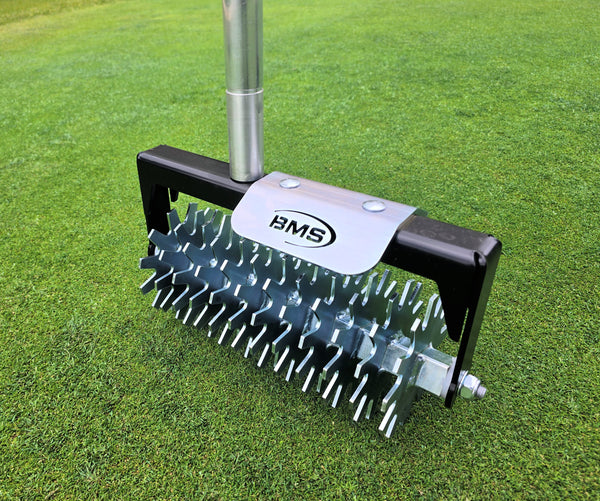
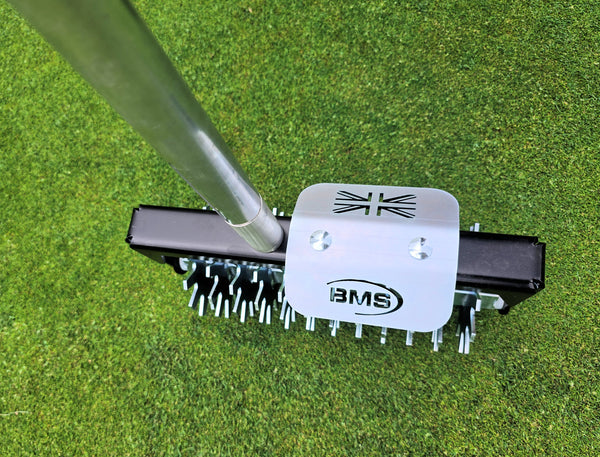


Aerators for Stronger Rootzones and Better Surface Performance
Aerators are one of the most important tools in modern turfcare. If a pitch, green, tee or amenity surface is struggling with compaction, poor drainage, shallow rooting or slow recovery, aeration is usually part of the answer. By creating channels through the surface, aerators help improve air movement, water infiltration and root development in the profile. That means better grass health, stronger wear tolerance and a surface that is easier to manage through the season.
On sports turf, the real value of aerators is not just in punching holes. It is in how they fit into the wider grounds management programme. Football and rugby pitches take repeated traffic and soon tighten up in key areas. Cricket outfields can become capped and slow to drain. Golf greens and tees need steady gas exchange and careful rootzone management without too much disruption to play. Good aeration equipment helps relieve pressure in the profile and keeps the surface working more like it should.
Choice matters because not every machine does the same job. Solid tines, hollow tines, slit tines, chisel tines and sarrel rollers all affect the surface differently. Some aerators are designed for deep decompaction and heave; others are better for light, regular spiking with minimal disturbance. Pedestrian aerators suit tighter spaces and finer turf; larger tractor-mounted aerators make sense on bigger pitches and open areas where work rate matters. The right setup depends on the surface, the soil, the time of year and how much disruption you can tolerate.
Why aeration matters in practical turfcare
Compaction is one of the biggest hidden problems on natural turf. A surface can still look green and presentable while the rootzone underneath is short of oxygen, tight underfoot and slower to move water. That is when symptoms start to show: shallow rooting, soft growth, standing water, weak recovery and reduced resilience under play. Aerators help tackle those issues by opening the profile and giving the plant a better environment to work in.
From a professional point of view, aeration is about timing and intent. We are not just spiking for the sake of it. We are choosing depth, tine type, spacing and frequency to match the condition of the surface. A shallow sarel pass can help keep the top open and improve infiltration. A deeper solid tine programme can relieve compaction and support stronger rooting. Hollow coring can remove material and create space for amendment work. That is the difference between routine aeration and integrated turf management.
On many sites, the best results come when aeration is combined with follow-up work rather than treated as a stand-alone task. Once the profile is opened up, it often makes sense to bring in Loam and Dressing where levels or surface texture need refining, or Grass Seed where wear has left the sward thin and recovery needs a push.
Choosing aerators for the surface and the job
When selecting aerators, start with the problem you are trying to solve. If the aim is regular surface venting with little disruption, a lighter spiker or sarrel roller may be enough. If you are chasing deeper rootzone relief on a compacted football or rugby pitch, you will need a machine that can work further into the profile with enough force and stability. On golf greens and finer turf, precision and low surface disturbance may matter more than outright depth.
Machine format is another big factor. Pedestrian aerators are useful on smaller areas, high-detail work and sites where access is limited. Mounted or towed units suit larger surfaces where speed and consistency are important. Tine choice matters just as much as the chassis. Solid tines help relieve compaction with limited cleanup. Hollow tines remove material and suit renovation-led programmes. Needle and micro tines are useful where you need frequent, low-disruption aeration during the playing season.
Ground conditions should always shape the decision. There is little value in pushing the wrong tine into the wrong soil moisture. Too wet and you risk smearing or surface damage; too dry and penetration may be poor or uneven. Experienced groundspersons usually look at moisture, temperature, root depth, usage pressure and recovery window before choosing the machine. That practical judgement is what gets better results from the same piece of equipment.
Seasonal use through the maintenance year
Aerators are relevant throughout the year, but the purpose changes with the season. In spring, aeration often supports recovery, root activity and improved movement through the profile as growth starts to pick up. During the main playing season, lighter or more targeted aeration can keep the surface open without causing too much disruption. Autumn is often a key window for deeper work because soil moisture is usually more favourable and renovation programmes are already underway. In winter, operations may become more selective, with timing driven by ground conditions, fixture pressure and the need to avoid surface damage.
That seasonal flexibility is what makes aeration so useful. A well-timed pass can improve drainage response, reduce surface sealing and support recovery just when the pitch or green needs it most. On sites where moisture control is a constant issue, aeration often sits naturally alongside Irrigation and Water Management because both influence how water moves into and through the profile.
How aerators fit into a wider grounds programme
No surface improves through aeration alone. The real gains usually come from what happens around it. A compacted pitch may be aerated, dressed, overseeded and then managed carefully to protect recovery. A golf tee may be spiked lightly and then monitored for moisture and wear. A cricket outfield may need deep decompaction in selected areas followed by brushing, levelling and patient grow-in. When the profile is opened and the plant has room to respond, the rest of the programme starts to work better too.
That is why aeration often links directly with diagnostics and site planning. If performance issues keep returning, one sensible next step can be Soil Testing to get a clearer view of the rootzone and identify whether the problem is purely compaction or part of a wider soil issue. On working sports sites, safe operation also matters; deeper aeration and tine changes are practical jobs that often sit alongside Personal Protective Equipment and sensible workshop routines.
Professional insight really shows in how aeration is scheduled around use. There is no point carrying out aggressive work when the surface has no time to recover. Equally, leaving compaction to build for too long makes every other input less effective. The best aeration programmes are measured and repeatable: enough to keep the profile functioning, not so much that the surface is constantly disrupted. That balance is what separates reactive maintenance from a properly planned grounds programme.
Getting better value from aerators
Before investing in aerators, think about the surfaces you manage, the depth of work you need, the labour available and how often the machine will be used. The strongest choice is usually the one that matches your real maintenance pattern rather than the most aggressive option on paper. When tine selection, timing and follow-up work are all aligned, aerators help produce cleaner surfaces, stronger rooting and more dependable performance through the season. For any grounds team trying to improve drainage, relieve compaction and support healthier turf, they remain one of the most useful categories in the shed.


Recently viewed