

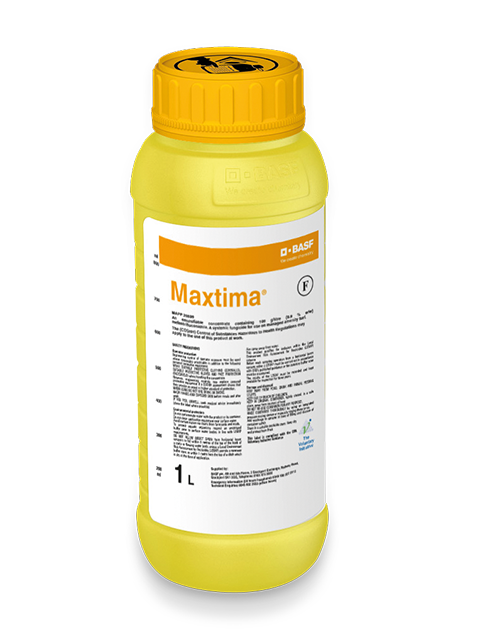
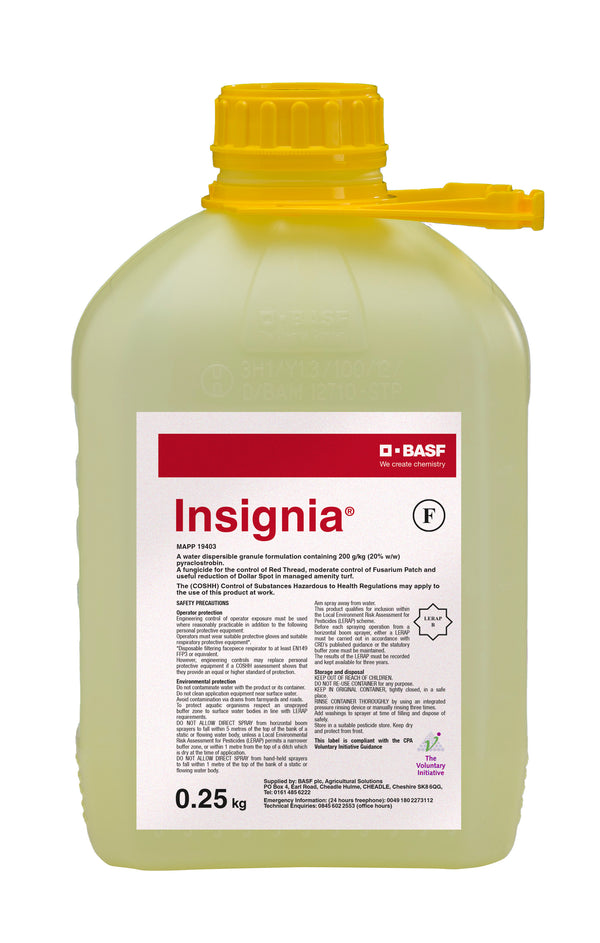
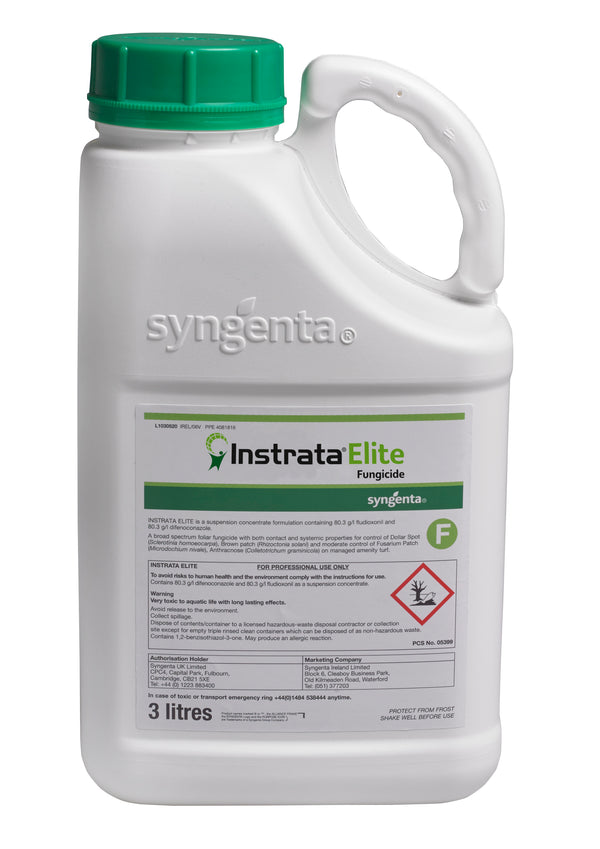


Microdochium Control for healthier, cleaner and more resilient turf
Microdochium Control is a key part of protecting fine turf and closely mown grass surfaces from one of the most familiar and disruptive turf diseases. On golf greens, tees, sports pitches, ornamental turf and other intensively managed areas, microdochium can quickly affect presentation, weaken the sward and leave surfaces struggling to recover through difficult weather or periods of stress. A well-planned approach to Microdochium Control helps reduce disease pressure while supporting stronger turf performance through the wider season.
In practice, microdochium pressure is rarely just about the pathogen alone. Surface moisture, air movement, nutritional balance, plant stress and seasonal conditions all influence how vulnerable the grass becomes. That is why disease management works best when it sits within a broader agronomic programme rather than being treated as a one-off reaction to visible scarring. For users comparing related treatment routes, it is also helpful to explore Turf Disease Control alongside other disease-focused collections such as Red Thread Control, Anthracnose Control, Dollar Spot Control and Leaf Spot Control.
Why microdochium develops in managed turf
Microdochium is often associated with cool, damp conditions, prolonged leaf moisture and periods when the plant is under stress or growing less actively. In those circumstances, turf can lose its ability to resist disease effectively, especially where moisture lingers close to the leaf, air movement is limited or the sward is carrying underlying stress. The result is often a surface that loses visual quality, thins out and takes longer to recover. That is why Microdochium Control should always be viewed as part of a wider turf-health strategy rather than as a standalone fix.
In practical terms, the strongest programmes usually support the plant as well as addressing the disease risk. That is where related collections such as Seaweed & Biostimulants, Wetting Agents, Iron & Turf Hardeners and Fertiliser can all play a useful supporting role in the wider management plan.
How Microdochium Control fits into a wider turfcare programme
The best results usually come when disease control is integrated with sensible nutrition, moisture management and plant-strengthening work. If the turf is weak, saturated, nutritionally out of balance or struggling with environmental stress, disease pressure becomes much harder to manage. That is why experienced turf managers do not look only at the visible patch. They look at the whole surface and ask what is making the grass vulnerable in the first place.
This joined-up approach is what makes Microdochium Control more effective over the long term. A programme may include preventative or curative fungicide inputs from the main collection, but it often works best alongside supportive inputs from Seaweed & Biostimulants, moisture support from Wetting Agents and plant-hardening inputs from Iron & Turf Hardeners. On sites where multiple disease risks need to be assessed together, it also makes sense to compare categories such as Fairy Ring Control, Take-All Patch Control and Brown Patch Control.
Professional insight: prevention usually gives the strongest results
One of the biggest mistakes in disease management is waiting until damage is widespread before responding. By that stage, the turf is already under pressure and recovery can be slow, especially on fine turf surfaces where presentation standards are high. A more professional approach is to manage the conditions that favour disease, support plant resilience and apply products as part of a planned programme rather than as a last-minute rescue.
That preventative mindset is especially important with microdochium because the disease often appears when conditions are persistently favourable. If those underlying conditions are not addressed, symptoms may return even after the immediate outbreak has been checked. Good Microdochium Control is therefore about more than treatment alone; it is about keeping the surface healthier and less vulnerable in the first place.
Application quality and supporting equipment
As with any disease-control programme, application quality matters. Coverage, timing, water volume and operator consistency all influence how well treatments perform across the site. On larger turf areas or where precision matters, suitable kit from Knapsacks, Sprayers & Equipment and wider support from Equipment can help improve accuracy and make product use more consistent.
Safe handling is just as important where fungicides and supporting inputs form part of the regular maintenance routine. Storage, mixing, application and site awareness all need proper attention, which is why PPE & Safety also fits naturally into the wider disease-management workflow.
Part of a more resilient year-round turfcare strategy
Used thoughtfully, Microdochium Control helps protect turf quality, preserve sward density and support more consistent performance through the main disease-risk periods. It works particularly well when combined with wider planning through Turf Disease Control, plant support from Seaweed & Biostimulants, moisture management through Wetting Agents and nutritional backing from Fertiliser.
That broader approach is what turns simple disease treatment into stronger long-term surface management. By reducing disease pressure and helping the grass stay healthier, cleaner and more resilient, Microdochium Control becomes an important part of maintaining high-quality sports turf and amenity grass.


Recently viewed