

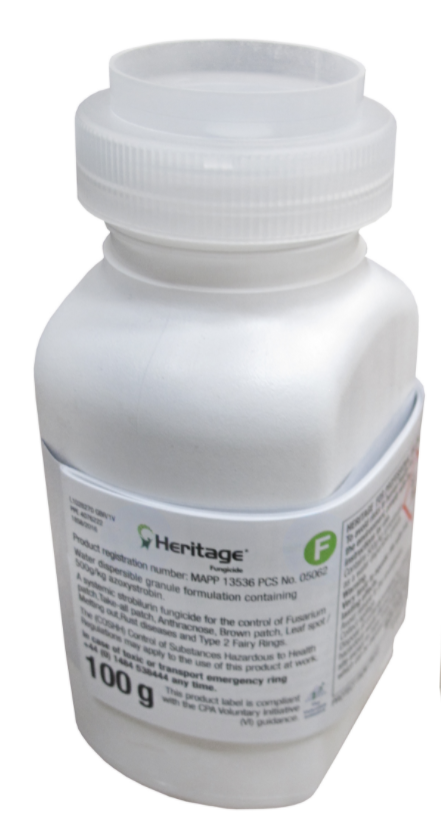
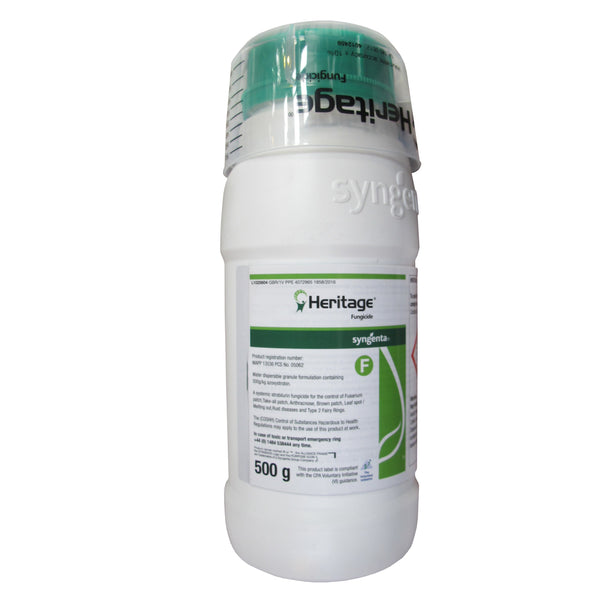


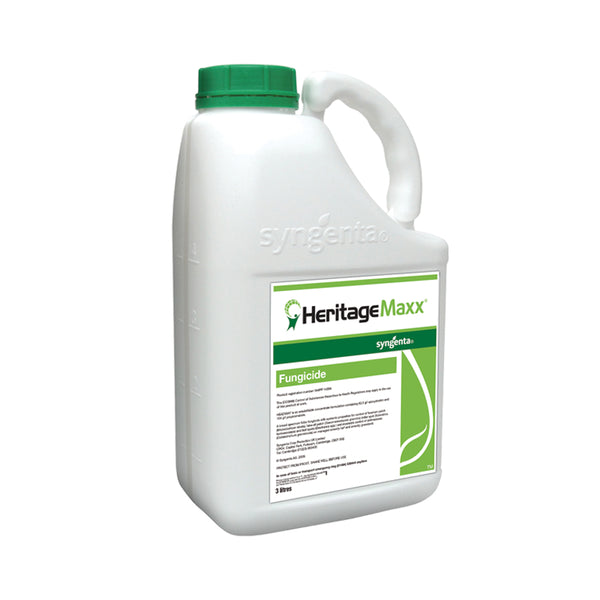
Anthracnose Control for stronger, healthier and more resilient turf
Anthracnose Control is an important part of protecting stressed or intensively managed turf from one of the most damaging disease pressures seen on fine and closely maintained grass surfaces. On golf greens, tees, sports pitches, ornamental turf and wider amenity areas, anthracnose can weaken the sward, reduce surface quality and slow recovery at key points in the season. A well-planned approach to anthracnose control helps limit disease pressure while supporting stronger turf performance as part of a broader agronomic programme. For users comparing related disease-management options, it is also helpful to explore Turf Disease Control, Microdochium Control, Red Thread Control, Dollar Spot Control and Leaf Spot Control.
In practical turfcare terms, anthracnose is rarely just about the visible symptoms. It is often linked to plant stress, nutritional imbalance, low growth potential and periods when the turf is already under pressure from wear, close mowing or environmental strain. That is why anthracnose control works best when it is not treated as a standalone response. The strongest results usually come when disease management is tied into nutrition, moisture control and plant-strengthening work across the wider surface.
Why anthracnose develops in managed turf
Anthracnose tends to become more significant where the plant is weakened and unable to grow strongly enough to resist prolonged stress. Closely mown turf, low fertility, dry conditions, compaction, root weakness and general plant fatigue can all make the sward more vulnerable. Once disease pressure builds, visual quality can fall quickly and affected areas may lose density, consistency and recovery potential. That is why anthracnose control should always be viewed in the context of wider turf health rather than as an isolated spray decision.
In many cases, supporting the plant is a key part of reducing vulnerability. That is where related collections such as Fertiliser, Seaweed & Biostimulants, Wetting Agents and Iron & Turf Hardeners all fit naturally within a more complete management plan.
How Anthracnose Control fits into a wider turfcare programme
The best anthracnose strategies are built around the full condition of the surface. If the turf is nutritionally weak, moisture-stressed or struggling to recover under close management, disease pressure becomes much harder to contain. That is why experienced turf managers tend to look beyond the visible symptoms and review the broader picture: growth rate, surface condition, moisture balance, recent feeding and general plant resilience all influence how vulnerable the turf becomes.
This joined-up approach is what makes anthracnose control more effective over the long term. A programme may include disease-control products from the main collection, but it often works best alongside nutritional backing from Fertiliser, plant support from Seaweed & Biostimulants, moisture management through Wetting Agents and surface-strengthening inputs from Iron & Turf Hardeners. On sites where multiple disease risks need to be assessed together, it can also make sense to compare related categories such as Brown Patch Control, Fairy Ring Control and Take-All Patch Control.
Professional insight: anthracnose is often a sign of wider plant stress
One of the biggest mistakes in anthracnose management is treating the disease as if it appeared without warning or without cause. In reality, anthracnose often reflects a plant that has been under pressure for some time. If the grass is already hungry, dry, shallow rooted or struggling under close maintenance, the disease can become far more aggressive and recovery becomes slower. That is why the strongest anthracnose control programmes aim to reduce stress as much as they aim to reduce disease expression.
A more professional approach is to manage the conditions that encourage weakness before symptoms become widespread. That means building a steadier, healthier and more resilient surface rather than waiting for the turf to show obvious damage before acting. Good anthracnose control is therefore as much about agronomy as it is about product choice.
Application quality and supporting equipment
As with any disease-control programme, application quality matters. Coverage, timing, water volume and operator consistency all influence treatment performance, especially on intensively managed turf where standards are high and the margin for error is small. Suitable application support from Knapsacks, Sprayers & Equipment and broader practical support from Equipment can help improve accuracy and make disease-control work more consistent across the site.
Safe handling is equally important where disease-control inputs form part of the regular programme. Storage, mixing, application and site awareness all need proper attention, which is why PPE & Safety also fits naturally into the wider workflow for professional turf disease management.
Part of a more resilient long-term turf strategy
Used thoughtfully, Anthracnose Control helps protect surface quality, preserve sward density and support more consistent performance through periods of stress and disease pressure. It works particularly well when combined with wider planning through Turf Disease Control, plant support from Seaweed & Biostimulants, moisture management through Wetting Agents and nutritional support from Fertiliser.
That broader approach is what turns simple disease treatment into better long-term surface management. By reducing disease pressure and helping the grass stay healthier, cleaner and more resilient, Anthracnose Control becomes an important part of maintaining high-quality sports turf and amenity grass.


Recently viewed