
Paddock fertiliser for stronger, cleaner horse pasture
Paddock fertiliser plays a big part in keeping horse pasture productive, presentable and safe under pressure. Whether you manage turnout paddocks, exercise areas or mixed amenity grassland, the aim is usually the same: build a dense sward, improve colour and encourage steady recovery after grazing, traffic and weather stress. A well-timed paddock fertiliser application helps the grass compete better, cover bare patches more quickly and make better use of moisture through the growing season.
At Pitchcare, paddock fertiliser sits within a wider turf and grounds management picture. The same principles used on sports surfaces apply here: good nutrient balance, sensible timing and even application. That matters because thin pasture soon opens the door to poaching, weed ingress and uneven growth. A stronger sward is easier to manage; it also gives you a better base for overseeding, weed control and routine maintenance.
If you are choosing horse paddock fertiliser or fertiliser for horse pasture, it helps to look past the label and focus on the analysis. Nitrogen, phosphorus and potassium all do different jobs. Nitrogen drives leaf growth and colour. Phosphorus supports root development and early establishment. Potassium helps stress tolerance and overall plant strength. In practical terms, that means a balanced paddock grass fertiliser can support both recovery and resilience, rather than just creating a quick green flush.
Understanding N, P and K in paddock feeds
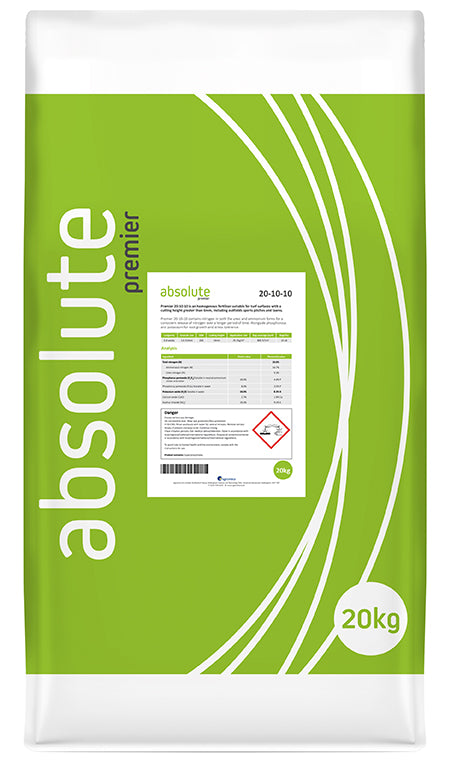
A granular paddock fertiliser with a 20-10-10 analysis is a good example of how professional products are built. The NPK ratio tells you the percentage of nitrogen, phosphorus and potassium in the bag. On the current Pitchcare collection, the featured product is a homogenous granule with 20% nitrogen, 10% phosphate and 10% potash; it also includes calcium and sulphur. That combination suits grass areas where you want stronger top growth, root support and improved tolerance to wear and environmental stress.
The form of nitrogen matters too. Ureic nitrogen and ammonium nitrogen release differently, so you get a more consistent response rather than a single short burst. That is useful on paddocks, where growth needs to be managed sensibly. We are usually looking for even recovery and better sward density, not soft, weak growth. Homogenous granules also help with spread pattern and nutrient distribution, which is important when you want a uniform result across the whole area.
For many groundspersons and paddock managers, high nitrogen paddock fertiliser is most useful when grass is actively growing and has enough moisture to respond. It is less about chasing colour for the sake of it and more about supporting a healthy, competitive grass plant. That makes a real difference on horse pasture, where wear from hooves, gateways and repeated movement can quickly thin the surface.
How professionals use paddock fertiliser in a maintenance programme
Good paddock management is rarely about one input. In a complete programme, paddock fertiliser works alongside Paddock Grass Seed, Paddock Weed Killer, Seaweed & Biostimulants, Soil Testing, Seed & Fertiliser Spreaders and Irrigation. In simple terms, we start by checking what the soil needs, then feed for controlled growth, overseed worn areas, manage broadleaf weeds, support recovery with biostimulants and water in as required. That is the same joined-up thinking you see across sports turf, and it is the best way to build consistent grass cover rather than relying on short-term fixes.
There is a practical workflow behind that. A calibrated spreader helps apply the right rate and keeps overlap to a minimum. Even coverage matters because uneven feeding creates patchy growth and inconsistent grazing quality. Once nutrients are in place, moisture becomes the next link in the chain. If rainfall is limited after application, irrigation helps move the granule into the rootzone and improves uptake. On high-wear sites, a follow-up with Machinery and Grounds Management Tools can help restore surface condition before problems get worse.
Professional insight matters here. In integrated turf management, nutrition is only one lever. Fertiliser cannot correct compaction, poor drainage or chronic overgrazing on its own. It works best when combined with sensible rest periods, traffic control and timely renovation. That is why experienced managers treat horse pasture fertiliser as part of a broader grounds management programme, not a standalone cure-all. Feed a weak paddock properly and you can support recovery; feed a compacted, saturated paddock without addressing the cause and results will always be limited.
Choosing the right formulation and application approach
For most paddock situations, granular paddock fertiliser is a practical choice. It is easy to spread, simple to store and well suited to larger areas. Homogenous granules are especially useful because every granule contains the same nutrient analysis. That helps deliver a more even finish across the site. You should also check application rate, bag coverage and expected longevity. A product offering six to eight weeks of response can fit neatly into routine maintenance plans during the main growing period.
Look at surface suitability as well. Some products are designed for managed amenity turf and longer grass situations, which makes them relevant for paddocks, outfields and utility areas. If you are dealing with newly renovated ground, sparse cover or recent overseeding, you may want to compare paddock fertiliser with options in Pre-Seed Fertiliser, NPK Fertiliser or Organic Fertiliser. The right choice depends on timing, growth stage and the condition of the sward in front of you.
Seasonal use of horse paddock fertiliser
Seasonality is important. In spring, horse paddock fertiliser is often used to kick-start growth, improve colour and help the sward recover from winter wear. Late spring and summer are the main windows for active growth, so this is when a pasture fertiliser or equestrian paddock fertiliser can deliver the strongest response, provided soil moisture is there. During dry spells, it is worth being cautious; forcing growth without moisture rarely ends well.
In early autumn, paddock fertiliser can still support recovery and help maintain grass cover before conditions cool. That can be especially useful after a busy summer of turnout and traffic. By late autumn and winter, response slows as soil temperature drops, so feeding needs to be more selective and realistic. This is also the point where other tasks come into play: repairing worn zones, managing drainage, and planning weed control or reseeding ahead of the next growth cycle.
Keeping paddocks dense, usable and easier to manage
A dense, healthy paddock is easier to work with all year round. It resists wear better, looks tidier and leaves less room for unwanted species to move in. That is why paddock fertiliser deserves a place in any serious horse pasture maintenance plan. Used at the right rate, through a calibrated spreader, and backed by sensible water and renovation practice, it helps create stronger grass cover that stands up to real-world use.
Pitchcare is well placed for that joined-up approach. Alongside paddock fertiliser, you can build a complete programme with Paddock Grass Seed for worn areas, Paddock Weed Killer for cleaner swards, Seaweed & Biostimulants for extra plant support, Soil Testing for sharper decision-making and Irrigation for better nutrient performance in dry conditions. Add the right spreader and a bit of seasonal timing, and you give your paddocks every chance to stay greener, thicker and more resilient.


Recently viewed