


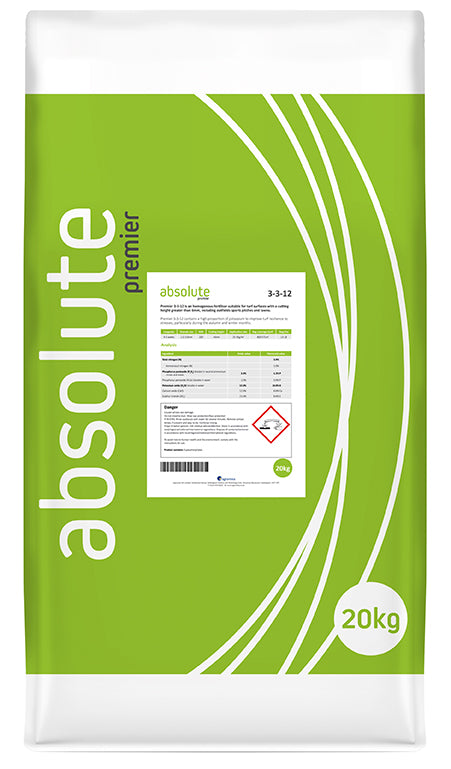
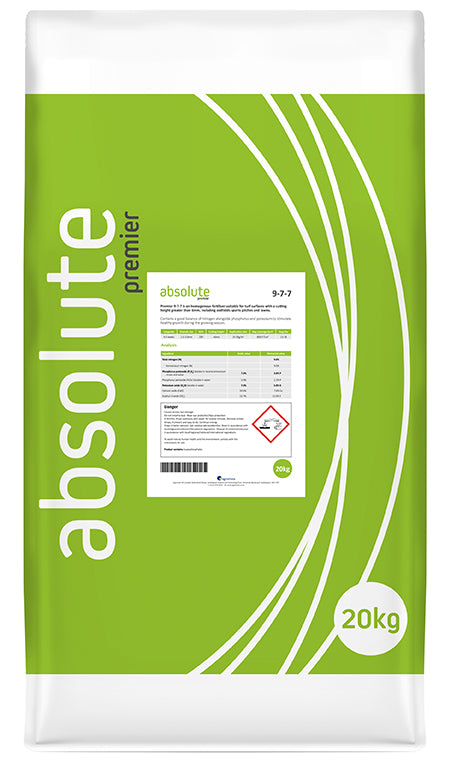

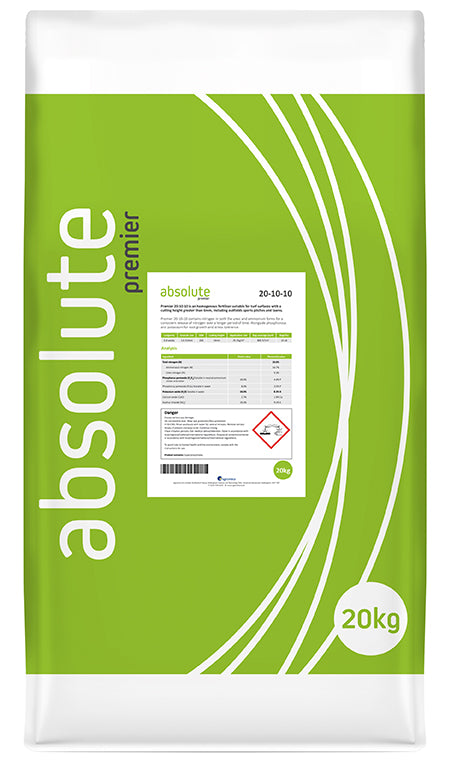


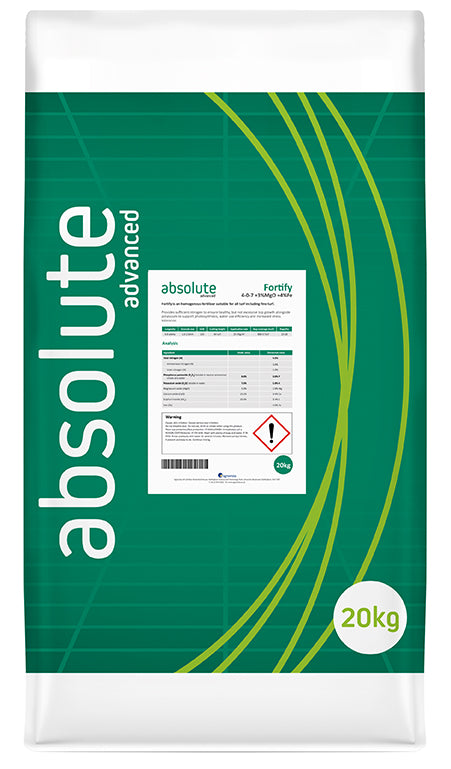

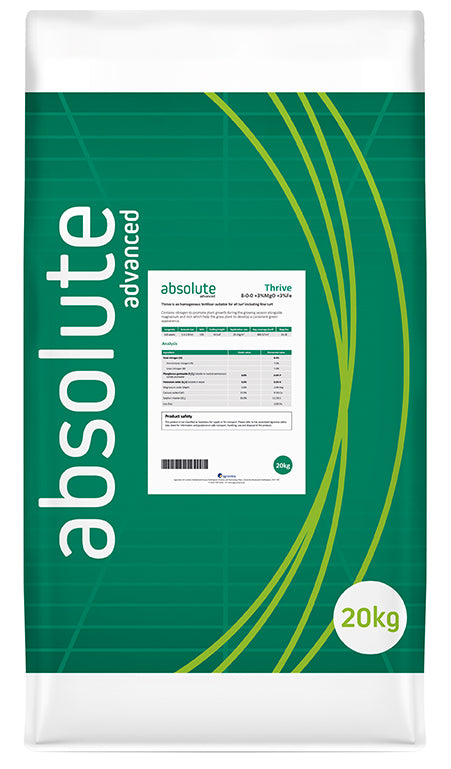
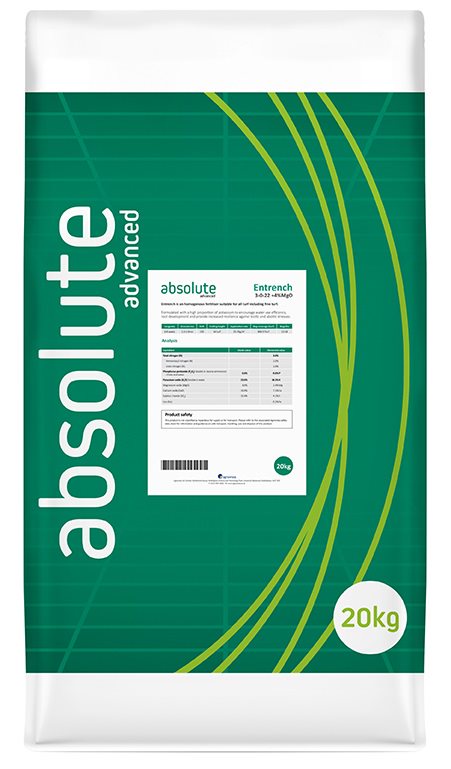


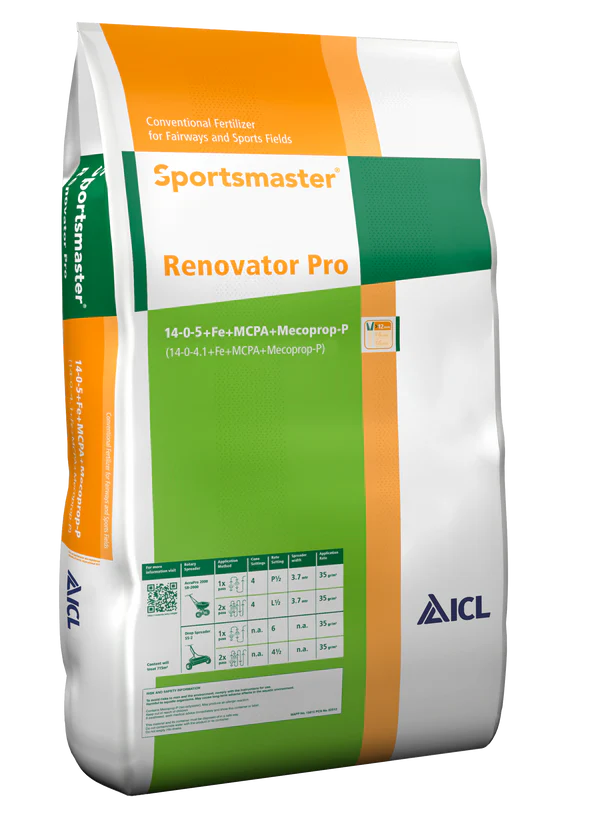


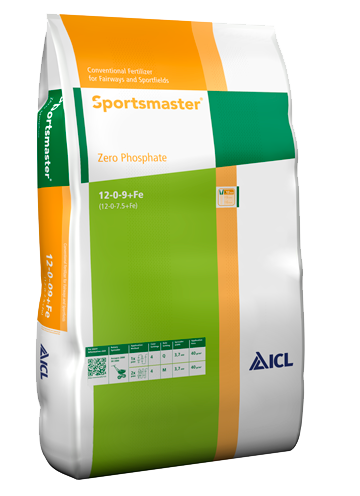

Outfield Fertiliser for Stronger, Healthier Sports Turf
Choosing the right Outfield Fertiliser is a big part of keeping large sports surfaces dense, healthy and visually consistent. Whether you manage a cricket outfield, a winter sports training area, an estate lawn or a wider amenity grass surface, nutrition drives recovery, wear tolerance and presentation quality. Outfields cover a lot of ground; they also take a lot of punishment. Mowing pressure, play, weather and soil conditions all affect how turf responds through the year.
A well-chosen Outfield Fertiliser helps maintain steady growth without creating flushes that are hard to manage. That matters on sports turf where surface pace, ball roll, traction and visual quality all need to stay under control. Good fertiliser planning also supports root development, sward density and colour, while helping the plant make better use of moisture and available nutrients. In practical terms, that means stronger grass, better recovery after fixtures and fewer weak areas opening up across the surface.
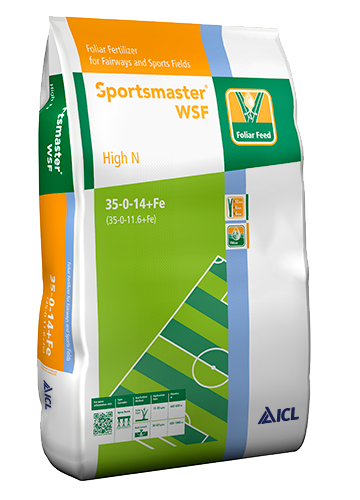
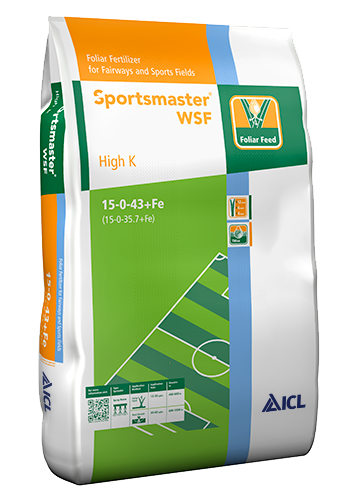
Most outfield fertiliser programmes are built around nitrogen, phosphate and potassium, often shown as an NPK analysis. Nitrogen supports leaf growth and colour; phosphate helps root activity and early establishment; potassium improves plant strength and stress tolerance. Depending on the product, you may also see magnesium, iron and trace elements included to support chlorophyll production, turf hardening and overall grass health. Some products are conventional release, while others use controlled-release or slow-release technology to feed over a longer period and reduce peaks in growth.
How Outfield Fertiliser Fits into a Grounds Management Programme
Professional groundspersons rarely look at fertiliser in isolation. Outfield Fertiliser works best as part of an integrated turf management approach. We usually start with soil texture, nutrient status, pH and organic matter. That is why regular Soil Testing is so useful; it helps you match product choice and application timing to what the surface actually needs, rather than feeding by habit.
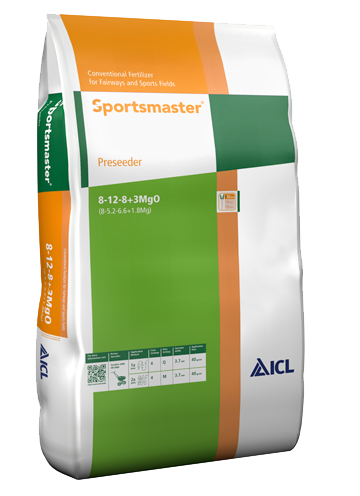
From there, the programme can be shaped around usage and renovation windows. After aeration, overseeding and topdressing, nutrition helps the sward knit back together and recover faster. If you are renovating worn areas or looking to improve density after the season, pairing nutrition with Outfield Grass Seed makes sound agronomic sense. Where new seed is going in, a targeted starter product from Pre-Seed Fertiliser can support germination and early rooting.
On bigger sites, application accuracy is just as important as product choice. Even spread patterns reduce striping, patchy growth and nutrient waste, especially across wide, open turf areas. Using the right kit from Seed & Fertiliser Spreaders helps deliver the correct rate per hectare and improves consistency from one pass to the next. That is especially valuable on cricket outfields and multi-use spaces where visual finish matters as much as plant performance.
Granular, slow-release and practical product choice
For many outfields, granular fertiliser is the practical choice because it is efficient to apply across large areas and suits routine maintenance. Slow-release outfield feeds are useful when you want steady performance and fewer applications. Faster-release formulations can be handy when recovery is needed after stress or where the surface is visibly hungry. The right option depends on growth targets, mowing frequency, expected rainfall, soil temperature and how much control you want over the response.
It is also worth thinking about moisture. Nutrient uptake slows when soils are dry, and uneven moisture makes even the best fertiliser programme less effective. In dry spells, support from Wetting Agents and reliable Irrigation can improve water movement through the profile and help the plant respond more evenly. That is particularly relevant on free-draining rootzones, sandy profiles and exposed sites where drought stress quickly shows.
Seasonal Use Across the Playing Year
Seasonality matters with outfield nutrition. In spring, outfield fertiliser is often used to encourage recovery from winter, improve colour and build early density as soil temperatures rise. Through late spring and summer, the focus usually shifts to balanced feeding that supports steady growth, clipping control and good presentation without making the surface soft. On cricket outfields, that can help maintain a clean, uniform sward through heavy mowing and match preparation.
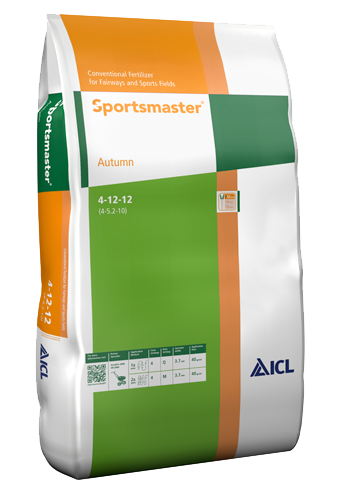
In autumn, nutrition often moves towards products with lower nitrogen and relatively higher potassium to support hardiness and root function going into colder, wetter conditions. Winter feeding is generally lighter and more cautious; the aim is usually to maintain plant health rather than drive growth. Timing should always reflect soil temperature, weather and usage. There is no value in forcing soft growth just before prolonged cold, waterlogging or a busy fixture run.
Professional insight from the outfield
On real sites, the best results usually come from matching feed to the work the surface is doing. A cricket outfield cut regularly for presentation will need a different nutritional balance from a school sports field carrying football, rugby and general wear. We see the strongest outcomes when feeding is linked to aeration, moisture management, overseeding and recovery planning. That is where grounds management becomes more than a product choice; it becomes a joined-up programme built around plant response, fixture pressure and realistic labour input.
Supporting Performance, Recovery and Presentation
Outfields are expected to look smart and play well at the same time. That means fertiliser has to support more than colour alone. Good sports turf fertiliser helps with wear recovery, tillering, rooting, nutrient efficiency and visual consistency across the full area. It also plays a part in helping the grass compete with stress from drought, close mowing and traffic. When combined with sensible cultural work and sound application practice, Outfield Fertiliser becomes one of the core tools in a reliable maintenance programme.
If you are planning wider renovation work, nutrition also sits neatly alongside dressing materials such as Top Dressing. Together, these inputs can help improve surface levels, support seedling establishment and encourage a stronger, more resilient sward. For groundspersons balancing performance, budget and labour, that joined-up approach is usually the most efficient route to consistent grass health and better year-round surface quality.
Pitchcare has products to support every stage of that process: from starter feeds and controlled-release fertiliser to moisture management, seeding and application equipment. If you are selecting Outfield Fertiliser, look at the nutrient analysis, release pattern, intended timing and the demands of your surface. That way, you can choose a feed that works with your programme, not against it.


Recently viewed