

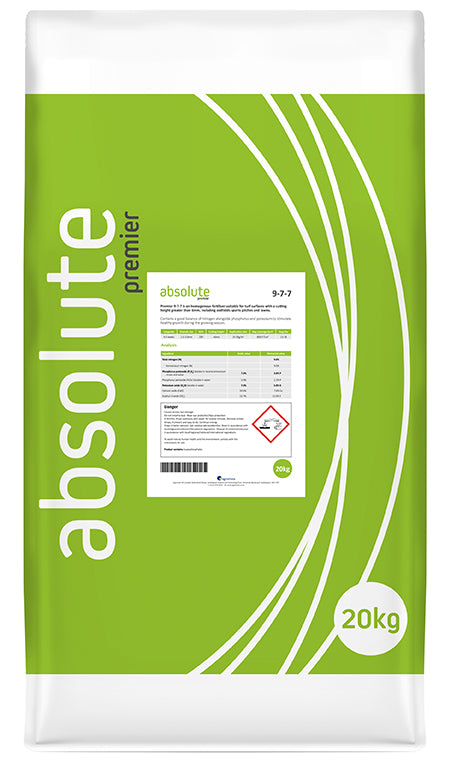

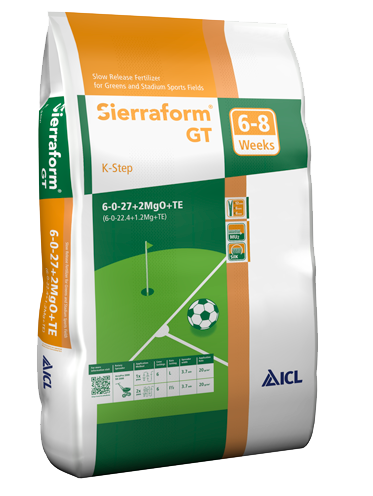
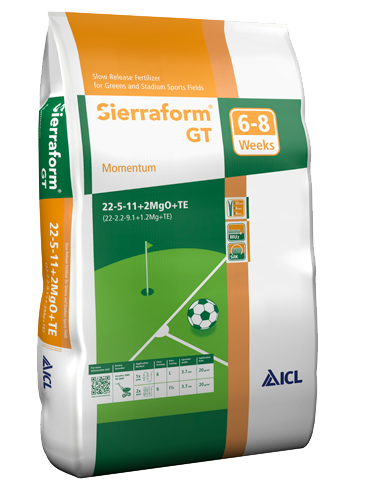
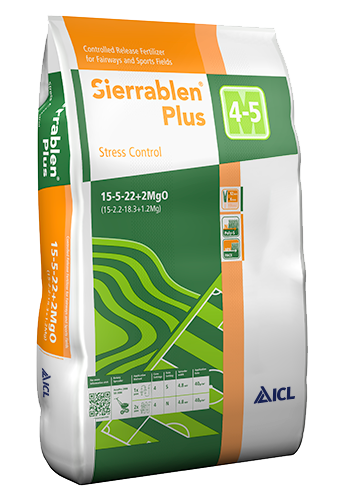


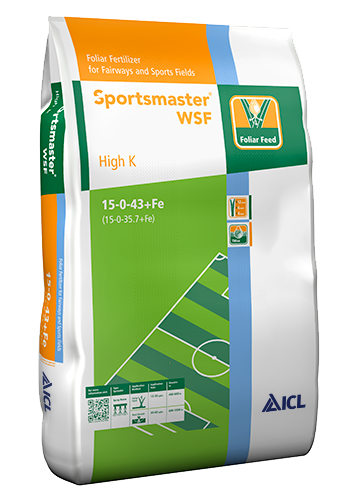



All Year Round Fertiliser for steady turf performance
Keeping grass moving without big peaks and troughs is one of the hardest parts of turfcare. That is where All Year Round Fertiliser earns its place. On football and rugby pitches, cricket outfields, golf areas, lawns and managed amenity turf, a year-round turf fertiliser helps you maintain colour, density and recovery without overcooking the plant. It gives you a practical route to steady nutrition when surfaces need to look good, play well and stand up to wear.
An effective All Year Round Fertiliser programme is usually built around balanced nitrogen, phosphate and potassium, often supported by sulphur, magnesium, iron and trace elements. The aim is simple: consistent growth, stronger rooting and better stress tolerance. In practice, that means improved sward density, more even presentation quality and a better platform for integrated turf management. Whether you are feeding perennial ryegrass on a stadium pitch or supporting mixed amenity turf on a school site, the right sports turf fertiliser helps drive grass health while supporting soil nutrient balance.
Not every surface wants the same formulation. Some groundspersons prefer Granular Turf Fertiliser for a straightforward maintenance pass and predictable spread pattern. Others lean on Liquid Turf Fertiliser for tighter control, quicker uptake and easy tank-mixing with compatible products. Where longevity matters, Slow Release Fertiliser can smooth out growth and reduce flushes after application. If you want to compare nutrient ratios more directly, NPK Fertiliser makes it easier to match the product to the surface, the season and the work ahead.
How all year round fertiliser works in real maintenance programmes
Good all year round fertiliser is not about feeding for the sake of it; it is about matching nutrient release to growth demand. That means thinking about soil temperature, moisture, cutting frequency, clipping yield and the surface standard you need to hold. A balanced turf fertiliser can encourage tillering, support chlorophyll production and help the plant recover after wear, play and maintenance operations. On higher-end surfaces, that consistency is often worth more than a short burst of colour.
For professional use, timing matters as much as product choice. Apply too much soluble nitrogen ahead of heavy fixtures and you may get soft growth, more mowing and reduced surface stability. Go too lean for too long and the sward can thin, lose colour and struggle to recover. We usually see the best results when nutrition is linked to fixture pressure, irrigation availability and planned works such as aeration, overseeding and surface renovation. That is the difference between simply feeding grass and running a proper grounds management programme.
Surface type matters too. On close-cut areas and finer presentations, Fine Turf Fertiliser may be a better fit where controlled growth and tighter appearance are priorities. On larger, harder-worked secondary surfaces and cricket outfields, Outfield Fertiliser can align better with broader maintenance goals. The point is not to force one analysis everywhere; it is to choose an all year round fertiliser that suits your grass species, rootzone, budget and presentation target.
Choosing the right formulation
When you compare products in this collection, look beyond the bag or label headline. Check the nitrogen source, the NPK ratio, the presence of iron or magnesium, and whether the release pattern is conventional, coated or partly controlled. Granule size affects spread quality. Application rate affects value and workload. Compatibility with a sprayer or spreader matters just as much as the analysis itself. For many sports surfaces, a maintenance fertiliser with sensible nitrogen, enough potassium for wear tolerance and a little sulphur for efficient uptake gives a reliable base through most of the year.
Using All Year Round Fertiliser through the seasons
All Year Round Fertiliser is useful because it can bridge changing conditions without forcing a dramatic shift in plant response. In spring, it helps wake the sward up and build steady recovery as soil temperatures rise. In summer, it can maintain colour and growth without excessive flush if irrigation is managed properly. In autumn, it supports recovery from play and renovation work while helping the plant hold strength. In winter, lighter inputs or slower-release options can maintain condition on mild sites without pushing growth when light levels are low. The exact timing should always reflect weather, growth rate and surface use.
That seasonal flexibility is also why All Year Round Fertiliser works well on mixed sites. A school or club may have a main pitch, training areas, surrounds and ornamental turf all asking for slightly different performance. A year-round fertiliser programme gives you a dependable backbone; then you can fine-tune around it with local knowledge and surface priorities.
Building a complete Pitchcare programme around fertiliser
Nutrition rarely works in isolation. A strong maintenance plan links feeding with airflow, moisture management, wear recovery and presentation. After spiking with Aeration Tools, roots often make better use of available nutrient because oxygen exchange and water movement improve. Where growth needs a lift after wear or renovation, Biostimulants & Micronutrients can complement a base fertiliser programme. If you are overseeding thin areas, Fast Establishment Grass Seed sits naturally alongside nutrition to speed recovery and improve sward density.
On sports pitches, the workflow is very real: feed to support recovery; seed to restore cover; manage weeds before they rob space and nutrient from the grass plant. That is why many turf managers also connect fertiliser planning with Professional Selective Turf Weed Killer in the wider programme. Once the plant is healthy and the sward is full, presentation becomes easier too, especially when line quality is part of the weekly standard and products such as Concentrated Line Marking Paint are used on match surfaces.
The best results come from reading the site, not just the label. Look at grass species, root depth, soil texture, organic matter, rainfall and how much play the surface takes. A good all year round fertiliser should make maintenance simpler, support consistent turf performance and fit neatly into the wider rhythm of modern grounds management. That is why this collection matters: it gives you practical feeding options for real surfaces, real budgets and real seasons.


Recently viewed