


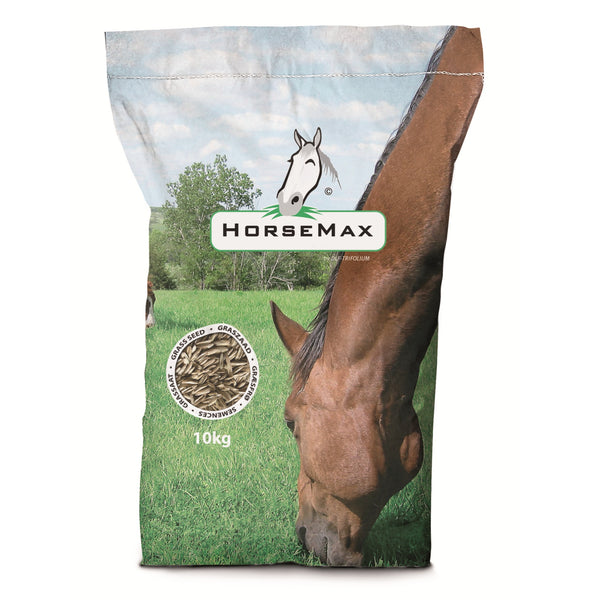

Equestrian & Racecourse Grass Seed for Stronger Cover, Safer Going and Reliable Recovery
Equestrian & Racecourse Grass Seed needs to perform under a very particular kind of pressure. Horse traffic is powerful, concentrated and repeated, whether you are managing paddocks, exercise areas, gallops, racecourse surrounds or equestrian amenity ground. That means we are not simply looking for grass that germinates quickly. We are looking for a sward that can establish strongly, tolerate wear, recover after damage and provide dependable cover across surfaces where stability and presentation both matter.
On equestrian sites, poor grass cover quickly leads to bigger problems. Thin turf can open the door to weed ingress, poaching, uneven footing and reduced surface resilience through wet weather. On racecourses and training grounds, maintaining dense, healthy cover is just as important because turf quality influences both appearance and how the surface stands up to use. The right seed blend helps create stronger root development, better seasonal recovery and a more consistent finish across the area being managed.
This collection sits naturally within the wider Grass Seed range, but Equestrian & Racecourse Grass Seed deserves its own focus because horse ground has different requirements from general sports turf or amenity grass. Wear patterns, grazing pressure, hoof action and the practical realities of paddock and racecourse maintenance all shape the kind of seed that will perform best.
Choosing Equestrian & Racecourse Grass Seed for the Site
Match the mixture to use, soil conditions and recovery expectations
When selecting Equestrian & Racecourse Grass Seed, the first thing to assess is how the surface is actually used. A resting paddock, a turnout area, a heavily used gateway and a racecourse amenity zone can all need a different approach. The best mixture is the one that reflects the traffic level, the soil type, the drainage characteristics and the amount of recovery time available between periods of use.
Wear tolerance is usually a major priority. Hoof action places intense pressure on the sward, especially around feeders, gateways, track edges and frequently used holding areas. Recovery matters as well, because damaged areas can take time to come back if the seed blend is not suited to the site. That is why this category often sits closely alongside Paddock Grass Seed, where the focus is similarly on durable cover for horse ground, and Hardwearing Grass Seed, where wear tolerance and resilience are central to performance.
Establishment speed can also be important, particularly where surfaces need to recover in a tight seasonal window. If the aim is to rebuild worn areas quickly after damage or improve coverage before conditions turn against you, Fast Establishment Grass Seed may be a useful comparison. Quick take alone is never the whole answer, but it can make a real difference when recovery time is limited and the surface needs to stabilise promptly.
Getting the Best from Equestrian & Racecourse Grass Seed
Preparation, nutrition and moisture management all matter
Even the best Equestrian & Racecourse Grass Seed will only perform if the surface is prepared properly. Good seed-to-soil contact is essential. If seed is left sitting on top of poached ground, heavy trash or a sealed surface, establishment will be uneven and recovery will be slower. On horse ground, that often means weak patches remain open for longer, making them more vulnerable to further damage when conditions turn wet or traffic increases again.
This is where practical site management makes the difference. Overseeding or reseeding should sit within a wider programme that takes account of compaction, drainage, surface levelling, grazing pressure and rest periods. On many equestrian sites, success comes from matching the seed blend to a realistic maintenance plan rather than expecting seed alone to solve deeper issues with traffic or ground structure.
Nutrition plays a major role in early establishment. Young seedlings need access to available nutrient to root down, tiller and build enough strength before wear returns. That is why seed work often links naturally with Pre-Seed Fertiliser during establishment and with Paddock Fertiliser where the wider aim is to build healthier, more resilient horse pasture and paddock cover. Sensible feeding supports recovery, but the goal is always balanced growth rather than soft, lush leaf that will not stand up to pressure.
Moisture management can be just as important. Free-draining areas may dry quickly after sowing, while heavier soils may hold water and become vulnerable to surface damage if traffic returns too early. Dependable Irrigation can help protect germination and establishment where water is available, and Weather & Moisture Monitoring can help guide decisions around watering, recovery timing and when the surface is becoming stressed.
Equestrian & Racecourse Grass Seed in the Wider Groundcare Programme
Better grass cover supports both presentation and practical use
Equestrian & Racecourse Grass Seed is not just about filling bare patches. It is about building a denser, more resilient sward that supports safer use, better recovery and a tidier overall finish. On paddocks and horse ground, stronger turf cover can help reduce mud, improve surface stability and make routine maintenance more manageable. On racecourse and training environments, improved density also supports visual quality and helps surfaces present more consistently through the season.
There is also a broader maintenance benefit. Once the sward is healthier and more complete, other parts of the programme become easier to manage. Weed pressure is often easier to control in a dense, competitive turf, which is why categories such as Paddock Weed Killer can sit naturally alongside seed and fertiliser planning on horse ground. The aim is always to create a surface that is not only greener, but stronger and more functional.
In simple terms, Equestrian & Racecourse Grass Seed helps build the kind of turf cover that horse ground depends on. When the seed mixture matches the site, the surface is prepared properly and establishment is backed by sensible nutrition and moisture control, the result is better recovery, improved wear tolerance and a stronger, more dependable sward.
Recently viewed