


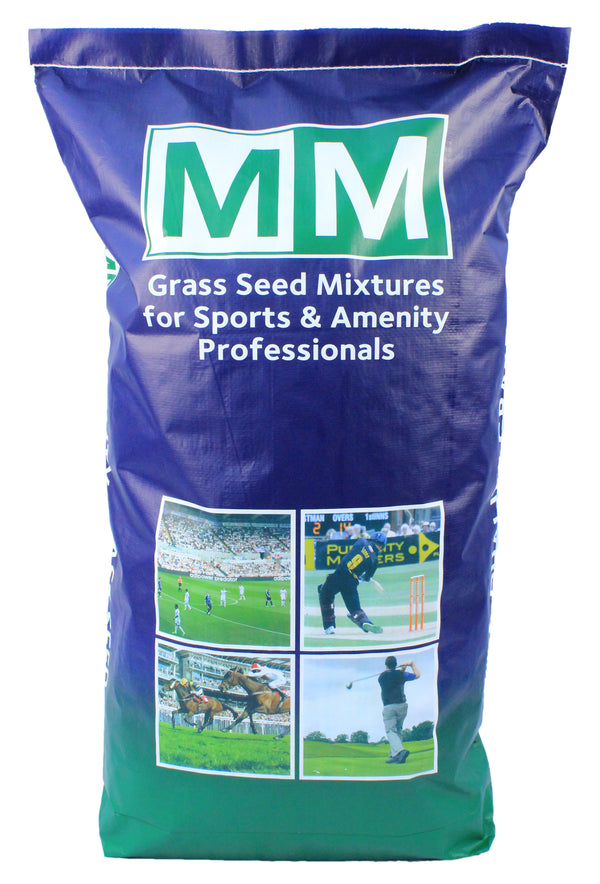
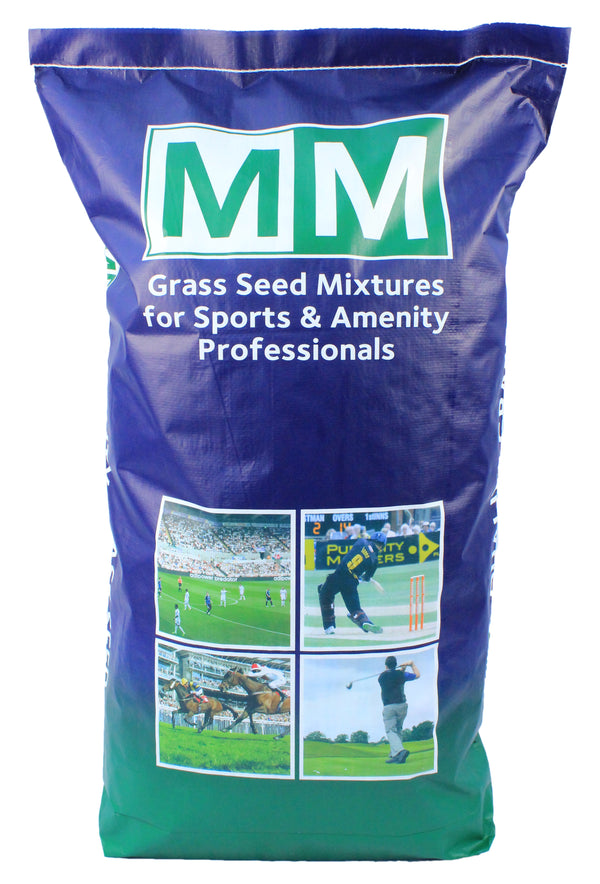
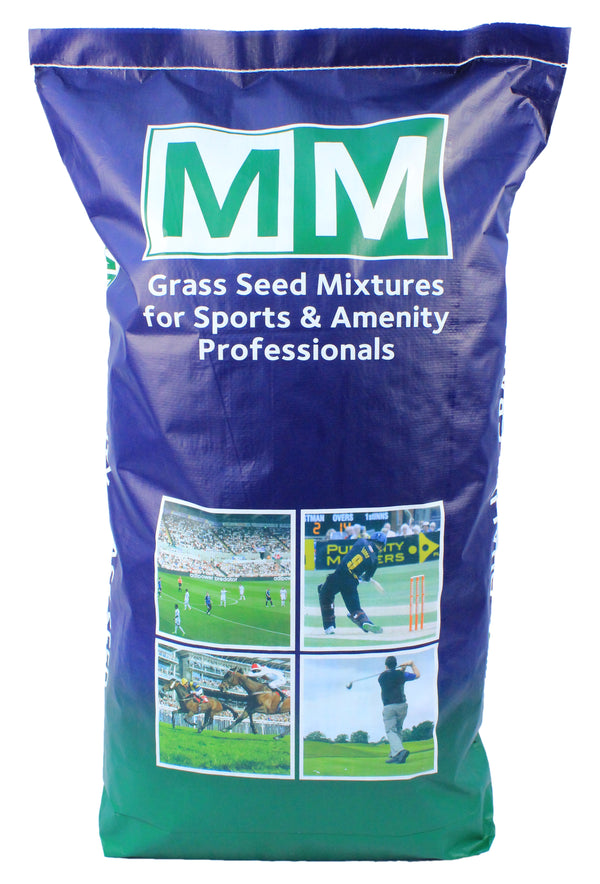
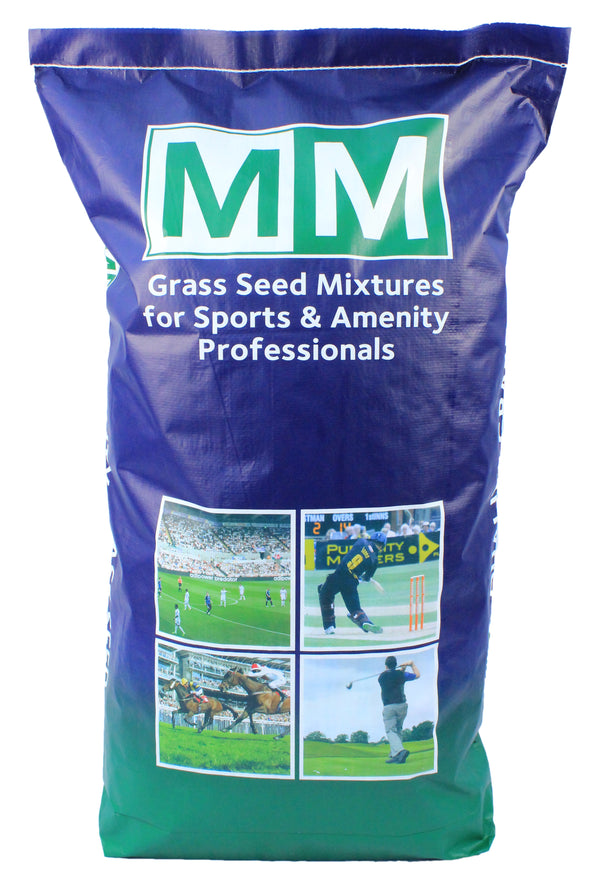


Bowling Green Grass Seed for Fine Density, Smooth Pace and Consistent Presentation
Bowling Green Grass Seed is chosen to produce a dense, fine and even sward that can be maintained at low cutting heights while still holding strong visual quality. On a bowling green, we are not simply trying to establish grass cover. We are trying to build a surface that supports smooth pace, true bowl roll, clean definition and reliable recovery through the playing season. That makes seed choice an important part of the wider greenkeeping programme.
Bowling greens are managed more intensively than many other turf areas. Close mowing, regular switching, careful moisture control and a strong focus on surface uniformity all place pressure on the grass plant. The right seed blend helps support finer texture, better density and a more consistent finish across the whole green. For clubs and grounds teams, that means improved presentation, steadier recovery after wear and a stronger base for day-to-day maintenance.
In practical terms, seed choice for a bowling green needs to reflect the way the surface is managed. A programme built around fine turf presentation, measured nutrition and close cutting will usually need a different seed approach from more general amenity turf. The aim is always the same: to establish or restore a tight, healthy sward that performs cleanly under fine turf conditions.
Choosing Bowling Green Grass Seed for the Green
Match the mixture to fineness, recovery and maintenance standards
When selecting Bowling Green Grass Seed, the first consideration is surface objective. Are you trying to improve sward fineness, rebuild density after stress, or support renovation work following the season? Those goals matter because a bowling green is judged on smoothness, consistency and presentation as much as on simple grass cover.
On many greens, finer turf species are central to the seed choice because they support close mowing tolerance and a tighter visual finish. Establishment speed still matters, especially after renovation, but long-term compatibility with the way the green is cut, fed and watered matters just as much. The best results usually come from using seed that fits the maintenance standard of the club rather than simply chasing the quickest germination on paper.
This is also where the wider fine turf programme comes into view. Where a site manages several closely cut areas, it can make sense to compare seed options with other specialist fine turf categories such as Golf Greens Grass Seed. The performance demands are not identical, but the need for density, smoothness and close mowing tolerance makes the comparison a useful one when planning a joined-up fine turf strategy.
Getting the Best from Bowling Green Grass Seed
Preparation, nutrition and moisture control all influence take
Even the best Bowling Green Grass Seed will only perform if the surface is prepared correctly. Good seed-to-soil contact is essential. If seed sits on top of organic matter or a sealed surface, germination will be slower and establishment far more uneven. On bowling greens, that can quickly affect both presentation and playing quality because inconsistencies tend to show up clearly on a closely managed surface.
That is why overseeding or renovation work should always sit within a broader maintenance plan. Surface preparation, light scarification or other suitable cultivation work can help create the openings needed for seed to establish properly. Once the seed is in, early nutrition becomes important. Products from the Pre-Seed Fertilisers range can help support root development and early establishment, particularly where the green needs to recover within a defined window.
Moisture control is just as important. Fine turf seed can be vulnerable if the upper profile dries too quickly during germination, especially in spring and summer establishment periods. Dependable Irrigation helps keep the surface receptive during this phase, while Weather & Moisture Monitoring can help guide better decisions around watering intervals, dry-down and early stress. On finer turf surfaces, that extra control often makes a real difference to how evenly the green recovers.
Bowling Green Grass Seed Within the Seasonal Programme
Timing matters for recovery and long-term surface quality
Bowling Green Grass Seed is usually most effective when soil temperatures, moisture availability and recovery potential are working together. Spring overseeding can be useful where winter thinning needs attention and growth is beginning to move. Late summer and early autumn are often strong renovation periods because the soil is still warm, recovery conditions are favourable and there is time for the sward to establish before colder weather slows growth.
During the main playing season, any localised repair or overseeding work needs to be timed carefully so presentation standards are not compromised. In winter, the focus usually shifts towards protecting existing turf quality, monitoring density and planning the next establishment window. That seasonal thinking is important because bowling green seed should never be treated as a one-off fix. It works best when it is part of a structured programme that links renovation, feeding, moisture management and day-to-day fine turf care.
From a practical point of view, application accuracy also matters. On clubs managing regular overseeding and nutritional inputs, Seed & Fertiliser Spreaders can help achieve more even coverage and a tidier overall result. That is especially useful where consistency across the whole green is a key part of the playing standard.
In simple terms, Bowling Green Grass Seed helps build the dense, fine and resilient sward that good greens depend on. When the mixture matches the maintenance standard, the surface is prepared properly and establishment is supported with sensible nutrition and moisture control, the result is better recovery, improved presentation and a smoother, more consistent bowling surface.
Recently viewed